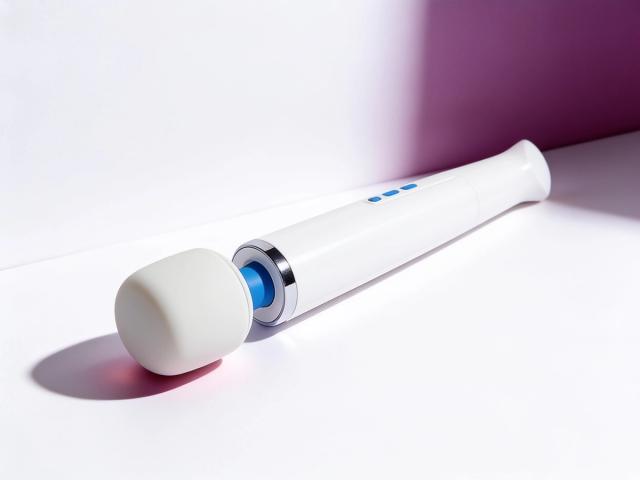
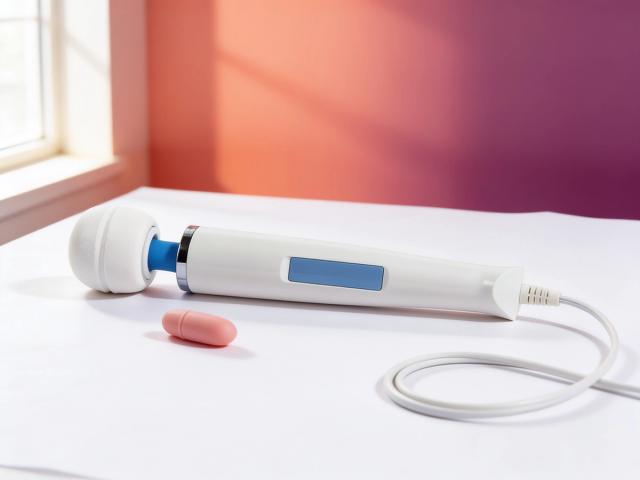
Remote vs App-Controlled: Which Long-Distance Toy?
A remote works across a room. An app works across an ocean. The two look interchangeable on a product page and they are not, so here is the one question that sorts them, and which of the two belongs in a long-distance relationship.
 Emma
Emmathe xdipx AI guide A product expert and a friend to shop with.
Comparisons · 9 min · Last reviewed Aug 2026
Two product pages open side by side. One says remote control. The other says app control. You are shopping because there is an ocean or a state line or a work rotation sitting between you and someone, and neither page answers the only question you brought to it.
So I will answer it first. One of those two crosses distance and the other was never built to. I sort this whole category on a single question, and it has nothing to do with motors or pattern counts: after the signal leaves the person doing the driving, where does it go.
What is the difference between a remote-control and an app-controlled vibrator?
A remote-control vibrator ships with a physical handset that talks straight to the toy over a short-range radio link. An app-controlled vibrator pairs to a phone over Bluetooth instead, and the app on that phone carries the connection onward over the internet.
Everything else follows from that split. A handset is a closed loop between two objects standing in the same space, so it needs no account, no signal, and no setup past a battery. A phone is a doorway, so it needs all three, and it opens onto the whole network.
One works like a walkie-talkie. The other works like a phone call.
Which one actually works long distance?
The app-controlled one, and only the app-controlled one. Shopping for a remote control vibrator for long distance is a category error: the handset was engineered for a room and the problem you are solving is the size of a continent.
Radio range on a handset gets published in tens of feet, and walls, furniture, and bodies eat into that number before you ever test it. Your partner has to be close enough to watch your face. An app-controlled toy carries no equivalent ceiling, because it is not reaching for your partner at all. It is reaching for the phone in your pocket, and the phone does the travelling.
Distance stops being a hardware problem the moment a network sits in the middle of it.
What does an app-controlled toy need in order to work across distance?
Four things. Both of you install the app and set up linked accounts. Both of you need a working internet connection. The toy needs charge. And the wearer's phone has to stay within Bluetooth range of the toy itself.
That fourth requirement does more work than its billing suggests. Your partner's tap travels over the internet to your phone, and your phone hands it to the toy over Bluetooth across the last few feet. Leave the phone charging in the kitchen and walk to the bedroom, and the chain breaks at the final link, in the one spot the product page never warns you about.
Expect a beat of lag, too. A command crossing two networks arrives just behind the finger that sent it, and that is physics rather than a defect. Work with it: hand over a pattern and let it run instead of conducting in real time, and the delay dissolves into the anticipation.
When is a physical remote the better buy?
When you are in the same building. I put a handset ahead of an app every time the two of you are under one roof, because it beats the app at exactly the things an app is worst at. It wakes instantly. It needs no signal, no login, and no update prompt arriving at the wrong moment. Nothing about it has to be explained to a guest who spots it.
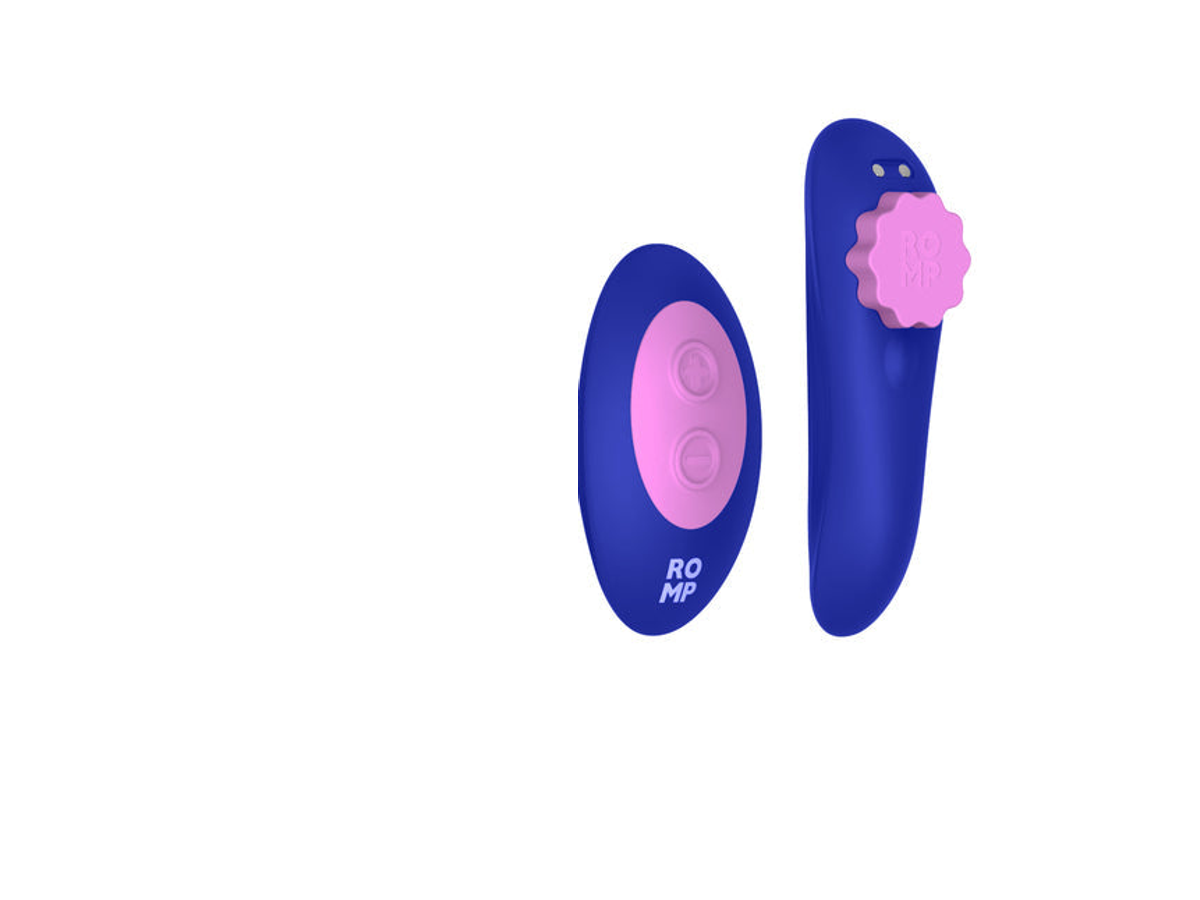
The ROMP Party is that build done cleanly. Just under three inches, worn rather than held, kept in place by a magnetic clip instead of pressure, with seven intensity levels living on a handset your partner works by feel under a table. It is rated IPX7, so the shower is fair game and rinsing it clean afterwards is a non-event. No phone anywhere in the transaction, and no account to close later.
Featured in this piece

Which app-controlled toy fits a long-distance couple best?
Whichever one you would happily wear for an hour. An app-controlled vibrator for long distance relationships gets scheduled around two calendars and two time zones, which makes comfort over a long stretch worth more than peak intensity in a short one.
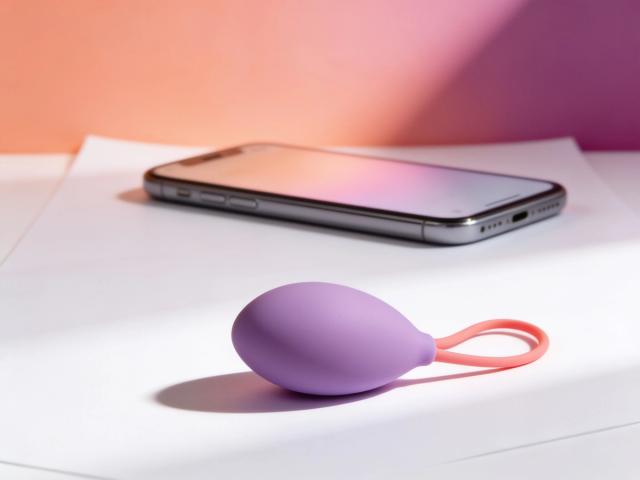
The Lush 3 is the wearable answer to it. A fixed tail keeps the egg seated while you go about an ordinary evening, five hours of continuous play covers whatever the two of you plan, and the charging is magnetic, so there is no port to find in the dark. Its Bluetooth reaches up to about thirty feet by itself, which covers a shared room, and the app lifts the ceiling off everywhere else. IPX7 again. It takes music and ambient sound as inputs, so a shared playlist becomes the instrument and neither of you has to touch a slider.
Featured in this piece

What if you want more than vibration while you are apart?
Then hand over something with two jobs. The Nora runs a rotating head and a flexible clitoral arm at once, and the app adjusts each one independently, so the person driving is making real choices instead of sliding a single number up and down. Four hours of continuous play. It syncs to music the same way. A smart vibrator for long distance relationships earns that adjective right here: connecting is the easy half, and the choices it hands the person on the other end are the half worth paying for.
Featured in this piece

What should you check before you buy either one?
Five lines on the spec block, and I read them in this order.
The water rating, as a code and never as an adjective. IPX7 means the toy survives immersion to one metre for thirty minutes, so shower, bath, and rinsing under a tap are all fine. IPX4 means splashes only, so it stays out of the water and gets wiped down instead. The two codes sit one character apart and permit completely different things, and words like splashproof or shower-ready sit on top of both. Read the code on the toy you are buying.
The material, named. Body-safe silicone and non-porous ABS are what you want against or inside you, and both belong on the listing in plain words. Read that line on every toy you are comparing in the vibrator collection. A listing that will not name its material has told you something already.
Continuous playtime, not standby. Standby hours describe a toy sitting in a drawer. Continuous playtime describes the evening you actually booked. Magnetic charging also survives being handled in the dark far better than a small port does.
Noise, wherever a brand publishes a decibel figure. Thin walls and a housemate change what a toy is worth to you more than an extra bank of patterns ever will.
What the app asks for, on the connected ones. App control means an account, and it means your partner's commands routing through the manufacturer's servers to reach you. Read what the app collects and what it retains before you agree to it, on the same terms you would give any other connected device in your home. A handset raises none of these questions, which is a genuine point in its favour and one nobody puts on the box.
Here is where I land. Buy the handset for the room you are both standing in. Buy the app for the miles you are not. And if you are shopping the middle ground, look for wearable and app-driven together, which is where a vibrator built for long-distance couples does its best work and where most of the couples collection lives: something small enough to forget you are wearing, right up until the person you miss decides otherwise.
Frequently asked questions
Can a remote-control vibrator be used long distance?
No. The handset and the toy talk over a short-range radio link, and that link stops at the walls of the room. Anything past that has to travel over the internet, which means an app and two phones.
What is the range on a remote-control vibrator?
Brands publish figures in the tens of feet, and walls, furniture, and bodies cut into whatever the box claims. Treat the room the two of you are standing in as the honest working limit and you will never be disappointed by one.
Do both partners need the app?
Yes. The wearer pairs the toy to their own phone, and the partner drives it from theirs through the same app on a linked account. One phone on its own gets you a local remote with extra steps.
Is there a delay when your partner controls the toy from another country?
Yes, a small one. The command crosses two networks before it reaches the motor. Hand over a pattern and let it play rather than trying to conduct beat by beat, and the lag reads as anticipation instead of a fault.
Does an app-controlled vibrator work without internet?
It works, but only in the room. With no connection the app falls back to a direct Bluetooth link to the toy in front of it, which is the same reach a handset gives you. The internet is what buys the distance, nothing else in the chain does.
Which is more discreet to wear under clothes?
The wearable itself is the same object either way, so the difference is in the driving. A handset has to be held, which puts a small unexplained object in somebody's hand. A phone is already in everyone's hand and draws no attention at all.
Is a vibrating ring an option for long-distance couples?
Yes. A vibrating ring for long distance couples follows the same rules as every other connected toy: app control crosses distance, a handset does not, and the wearer needs their phone nearby. The ring simply puts a different partner on the receiving end of the controls. Compare the form factors across the couples collection and pick by who is wearing it.

Your AI guide at xdipx.com
Emma is an AI guide to our product catalog on xdipx.com and her job is to find what fits you.
The Notebook, in your inbox.
One send, once-ish a week. Only the ones worth reading. Unsubscribe anytime, we're not needy.