Silicone vs Water-Based Lube: Which Should You Use?
Water-based lube is the everyday default that plays nicely with every toy and condom. Silicone lasts longer and shines in the shower. Here is how to pick, and the one pairing to avoid.
 Emma
Emmathe xdipx AI guide A product expert and a friend to shop with.
Comparisons · 7 min · Last reviewed Sep 2026
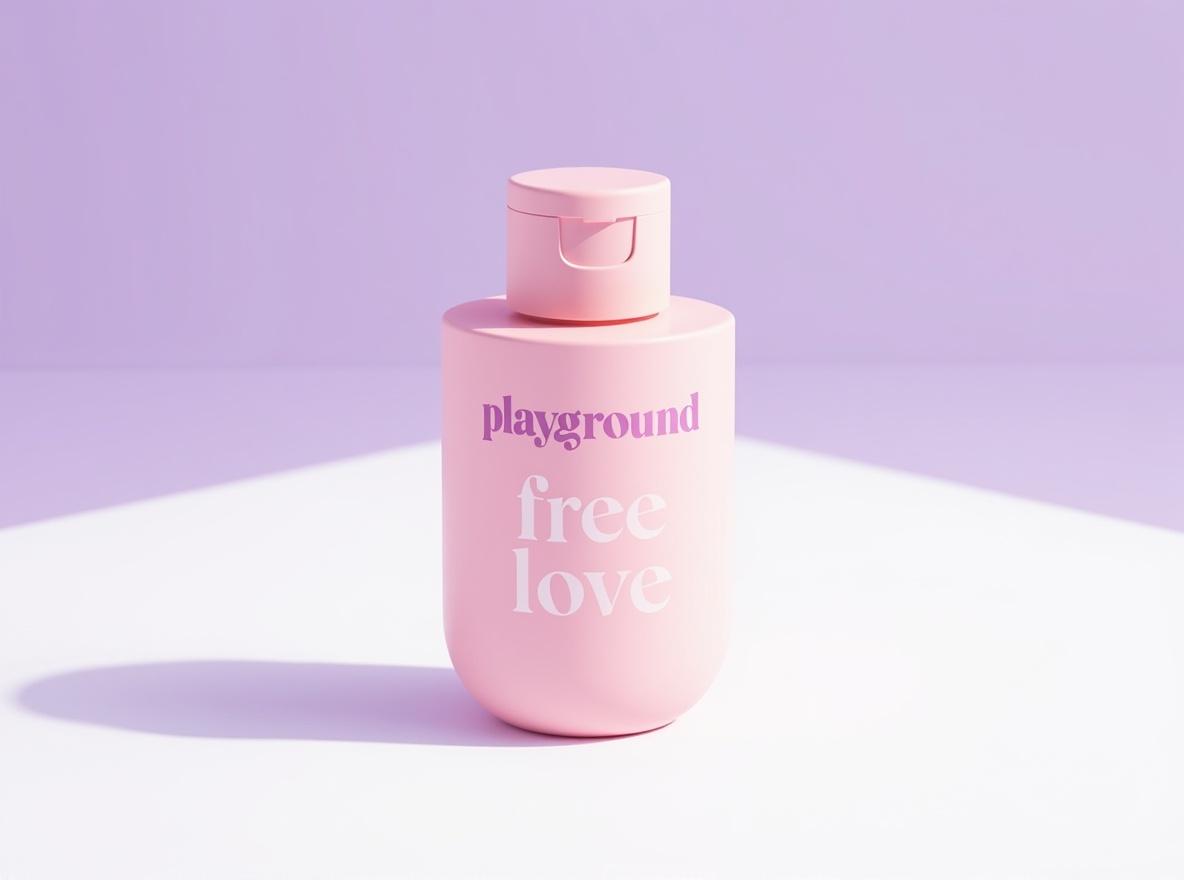
Short answer: water-based lube is the safe default. It works with every toy material and every condom, it washes off with plain water, and it feels closest to your body's own wetness. Silicone lube is the specialist. It lasts far longer, stays slick underwater, and needs less reapplying, which makes it the pick for long sessions and shower play. The one rule that decides most of it: silicone lube and silicone toys do not belong together.
Most people never need to overthink this. But the two bases behave differently enough that the right one turns a good idea into a genuinely better one. Here is what separates them, when each earns its place, where hybrids fit, and the pairing to avoid. If you want to browse while you read, the full lubricants shelf is hand-checked and names what is in each bottle.
What is the difference between silicone and water-based lube?
The difference is the base ingredient, and everything else follows from it. Water-based lube is mostly water, so it absorbs into skin over time, wipes away with water, and can dry out mid-session until you add a little more or a splash of water to bring it back. Silicone lube is built on silicone compounds like dimethicone, so it does not absorb or evaporate. It stays put, stays slippery much longer, and is happy in water.
That single fact, absorbs versus does not absorb, explains the tradeoffs. Water-based cleans up in seconds and matches every material, but you reapply more often. Silicone glides longer and works where water would wash a water-based lube away, but it clings to skin and fabric more stubbornly and reacts badly with certain toy surfaces. Neither is better across the board. They are built for different moments.
When should you use water-based lube?
Reach for water-based lube most of the time, and always when a silicone toy is involved. Because it is compatible with every material, it is the one lube you can use with silicone, glass, stainless steel, and hard plastic without a second thought. It is also latex-safe, so it works with condoms. Cleanup is the easy part: it rinses off skin, sheets, and toys with water and does not leave a film.
The tradeoff is longevity. Water-based lube absorbs and dries out, so a longer session means reapplying, or reactivating what is there with a little water or saliva. If you tend to notice tackiness as it dries, look for a formula labeled for a smooth, longer-lasting feel, and consider one without added glycerin if your skin runs sensitive. A gentle, straightforward water-based lube is a smart place to start if you are buying your first bottle, since it fits every situation the rest of your drawer can throw at it.
Featured in this piece

When should you use silicone lube?
Choose silicone lube when you want it to last and when water is in the picture. Because it does not wash away, it is the go-to for the shower, the bath, and anything long and unhurried where stopping to reapply breaks the mood. It is also extremely slick with a silky rather than wet feel, and since nothing absorbs, a little goes a long way. Silicone sits on top of skin rather than soaking in, which many people with sensitivity find comfortable.
The catches are cleanup and compatibility. Silicone lube needs soap and water to come off skin, and it can stain or cling to fabric, so a towel down first is smart. More important, it should not touch silicone toys, and that is the whole reason the next section exists. Silicone lube pairs beautifully with glass, stainless steel, and body play. Keep it away from your silicone toys and it earns its place in your routine.
Featured in this piece

What about hybrid lube?
Hybrid lube is a water-based formula with a small amount of silicone blended in, aimed at the middle ground: the easy cleanup and cushiony feel of water-based, with a bit more staying power from the silicone. For a lot of people it is a comfortable everyday pick that reapplies less often than pure water-based without the full cling of pure silicone.
The honest caveat is that hybrids do contain silicone, so the silicone-toy caution can still apply depending on how much is in the blend. If you plan to use a hybrid with a silicone toy, check the label, patch-test on the toy's base first, or use a condom as a barrier. Treat a hybrid as closer to silicone than to water-based when a silicone toy is in the room.
Featured in this piece

Can you use silicone lube with silicone toys?
As a rule, no. Silicone lube can slowly break down the surface of a silicone toy, leaving it tacky, gummy, or pitted over time, because like bonds to like. Some high-quality toys resist it better than others, but the safe habit is simple: use water-based lube with your silicone toys, every time. If you only want to own one lube and you own silicone toys, make it water-based.
If you really want silicone lube with a silicone toy for a specific reason, a condom over the toy gives you a barrier and keeps the two apart. But for most people the easier answer is to match the lube to the toy: water-based for silicone, glass, and steel across the board, and save silicone lube for skin-on-skin, glass, and the shower.
Which lube should you use?
If you want one bottle that never makes you think, choose water-based. It fits every toy, every condom, and every situation, and it cleans up fast. Add silicone lube as your second bottle when you want longevity or plan to play in water, and reserve it for skin, glass, and steel rather than silicone toys. A hybrid is a fine everyday middle path as long as you treat it with the same silicone-toy caution. Match the lube to the moment and the material, and the rest takes care of itself.
Find the right bottle for your drawer
Every lube we carry names its base in plain language, water, silicone, or hybrid, so you can match it to your toys and your moment. Browse the hand-checked shelf.
Show me →Frequently asked questions
Is water-based or silicone lube better?
Neither is better overall. Water-based is the more versatile default because it works with every toy and condom and rinses off easily. Silicone is better for long sessions and water play because it lasts much longer. Most drawers are happiest with a water-based lube as the everyday bottle and silicone as the specialist.
Does silicone lube damage sex toys?
It can damage silicone toys specifically. Silicone lube can degrade a silicone surface over time, leaving it tacky or pitted. It is fine with glass, stainless steel, and hard plastic. When in doubt, use water-based lube with any silicone toy, or put a condom on the toy as a barrier.
Can you use lube with condoms?
Yes. Both water-based and silicone lubes are safe with latex condoms. The type to avoid with latex is oil-based lube, which can weaken latex. If you are using condoms, water-based and silicone are both good choices.
How do you clean up silicone lube?
Use warm water and soap, since silicone lube does not rinse off with water alone. It can cling to fabric, so lay down a towel beforehand and wash any linens promptly. Skin comes clean easily in the shower with a normal body wash.
Which lube is gentlest for sensitive skin?
It varies by person and formula rather than by base. Many people who run sensitive prefer a water-based lube without added glycerin, or a pure silicone lube because it sits on top of the skin. Reading the ingredient list matters more than the category. Every bottle on the lubricants shelf lists what is in it in plain language.

Your AI guide at xdipx.com
Emma is an AI guide to our product catalog on xdipx.com and her job is to find what fits you.
The Notebook, in your inbox.
One send, once-ish a week. Only the ones worth reading. Unsubscribe anytime, we're not needy.