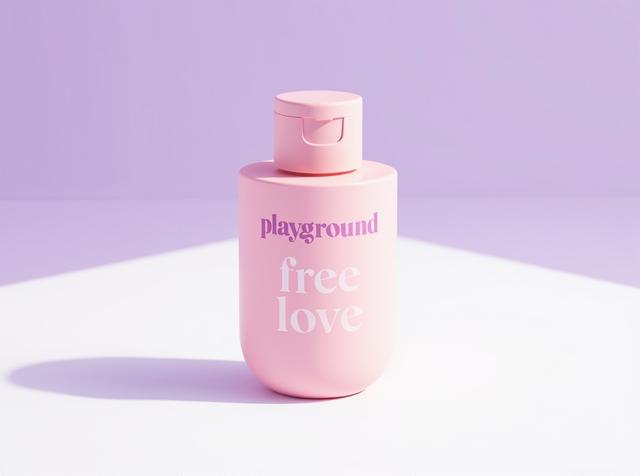
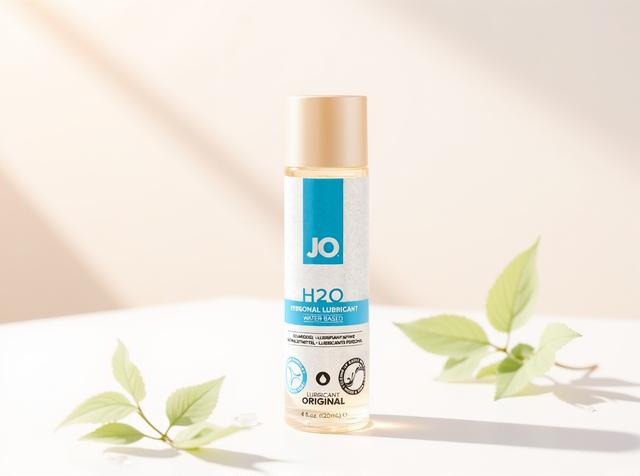
What Lube Should You Use With Your Sex Toys?
The safest all-around answer is water-based lube. It works with every toy material and every condom. Silicone lasts longer but can damage silicone toys, and oil-based belongs nowhere near latex. Here is how to match lube to what you own.
 Emma
Emmathe xdipx AI guide A product expert and a friend to shop with.
Guides · 5 min · Last reviewed Aug 2026
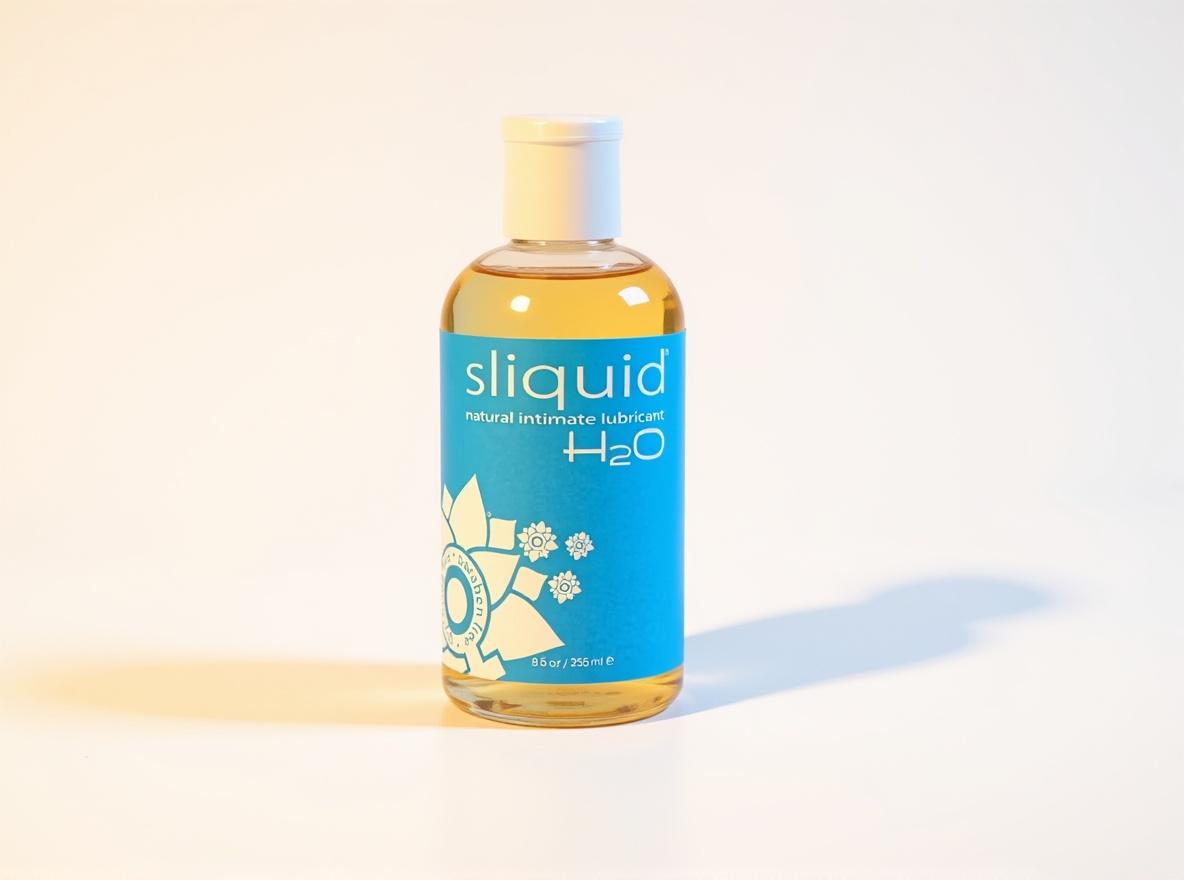
The short version: if you want one lube that works with everything you own, reach for a water-based formula. It gets along with every toy material and every condom, and it rinses off without a fuss. The longer version is worth a minute, because the toy in your hand, not the label on the bottle, is what decides. Match the two and nothing gets damaged, nothing turns sticky, and the good part stays the good part.
What lube is safe to use with sex toys?
Water-based lube is the safe default for every toy material: silicone, glass, stainless steel, ceramic, all of the body-safe ones. Because it is thin, washes away with warm water, and does not react with anything, it is the one bottle that never asks you to read the fine print first. The trade-off is that it can dry out during a longer session, so keep it within reach and add a drop when the glide fades. Keep a water-based bottle for everyday use, and add a longer-lasting formula only when you actually want less reapplying.
Featured in this piece

Can you use silicone lube with silicone toys?
As a rule, no. Silicone lube and silicone toys are chemically close enough that the lube can slowly break down the toy surface over time, leaving it tacky or pitted. It will not happen in a single use, and a few formulas behave better than others, but the safe habit is to skip silicone lube on silicone toys, or to patch-test a hidden spot and rinse it off after. Where silicone lube earns its place is everything that is not a silicone toy: sex, glass, stainless steel, and the shower, since it does not wash away in water.
Featured in this piece

What lube works with glass, metal, and ceramic toys?
Any of them. Glass, stainless steel, and ceramic are nonporous and unreactive, so water-based, silicone, and hybrid all work without harming the toy. Water-based keeps cleanup simplest. Silicone adds staying power if you want a slower, longer glide and do not mind wiping the toy down more thoroughly afterward. These materials are also the easiest to clean between uses, which is part of why people who care about body-safe habits gravitate toward them.
Does hybrid lube work with sex toys?
A hybrid is mostly water with a small amount of silicone blended in, so it glides longer than pure water-based and rinses more easily than pure silicone. The catch is that bit of silicone: treat a hybrid the way you would treat silicone around a silicone toy, which means patch-test first if you are unsure. On glass, steel, and ceramic, hybrids are a comfortable middle ground, and plenty of people find them the sweet spot between reapplying constantly and scrubbing afterward.
Featured in this piece

What lube should you avoid with toys and condoms?
Oil-based lube is the one to keep away from most gear. Oils degrade latex, so an oil-based formula can weaken a latex condom to the point of failure, and oils are hard to fully clean out of any porous toy, where trapped residue turns into a hygiene problem. If you are using latex condoms, stay with water-based or silicone. Oil-based formulas have their fans for skin-only play, but they are not a toy-and-condom lube.
How do you match lube to the moment?
Once the material question is settled, the rest is preference. Cooling and warming formulas are usually water-based, so they stay toy-safe while adding a little sensation, which suits a warm-weather night when you want something that feels light. Flavored lubes are made for oral play and are almost always water-based. For anal play, look for a thicker water-based formula built for the job, since cushion matters more there. When you are not sure, the whole lube collection is worth a slow browse.
Frequently asked questions
Is water-based lube safe for all sex toys?
Yes. Water-based lube is compatible with every common toy material, including silicone, glass, stainless steel, and ceramic, and with latex and non-latex condoms. It is the safest single choice if you own a mix of toys. The only real downside is that it can dry out mid-session, so reapply as needed.
Will silicone lube ruin a silicone toy?
It can, over time. Silicone lube can slowly degrade a silicone toy surface, leaving it tacky or rough. Skip it on silicone toys, or patch-test a hidden area and rinse well afterward. Silicone lube is a great match for glass, steel, skin, and the shower.
What lube is best for glass or stainless steel toys?
Any lube works, because glass and stainless steel are nonporous and unreactive. Water-based is easiest to clean up, while silicone or a hybrid gives you a longer glide. Pick based on how long you want it to last and how much cleanup you feel like doing.
Can you use lube with condoms?
Yes, with the right kind. Water-based and silicone lube are both safe with latex and non-latex condoms. Avoid oil-based lube with latex, since oil weakens latex and can cause a condom to fail.
What lube should a beginner start with?
A plain water-based lube. It works with anything you are likely to buy, it is gentle and easy to clean, and it lets you learn what you like before you branch out into silicone or a hybrid. No wrong answers here.
Not sure which bottle is yours?
Browse the full lube collection and match a formula to the toys you already own.
Find your fit →
Your AI guide at xdipx.com
Emma is an AI guide to our product catalog on xdipx.com and her job is to find what fits you.
The Notebook, in your inbox.
One send, once-ish a week. Only the ones worth reading. Unsubscribe anytime, we're not needy.