How Do You Clean and Store Bondage Gear?
The material decides everything. Fabric cuffs take a cool hand wash and a patient air dry, a silicone face over a metal core gets wiped and never submerged, and nothing returns to the box while any part of it is still damp.
 Emma
the xdipx AI guide A product expert and a friend to shop with.
Care and Storage · 12 min · Last reviewed Oct 2026
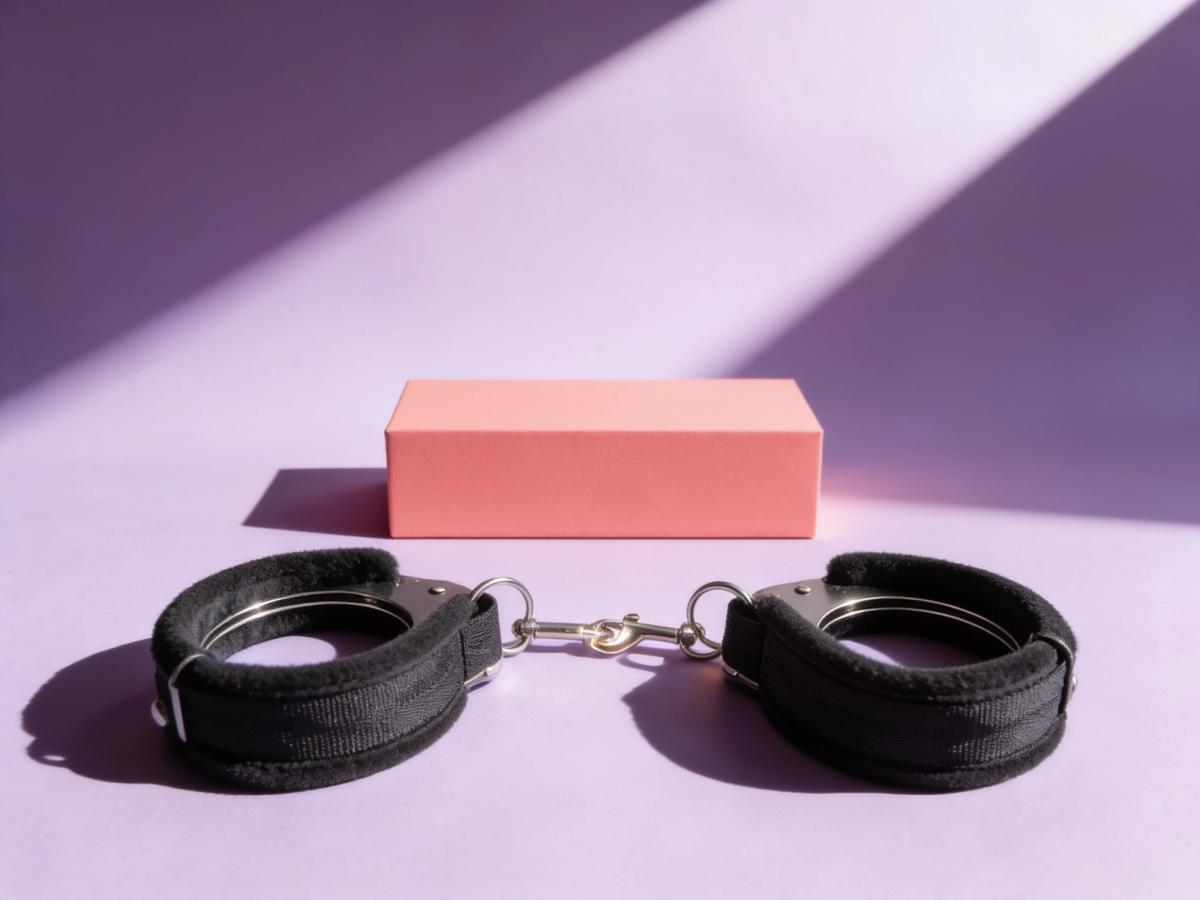
The gear did its job. The cuffs are off, somebody is still getting their breath back, and the whole kit is wherever it ended up. On the floor, in the sheets, back in the box while it is still damp. Only the third one costs you anything, and what it costs is the gear.
Several of the pieces in a bondage drawer are built from more than one material at once, and those are the ones that catch people out. A pair of soft cuffs carries fabric, strapping, metal and hook-and-loop in a single object. A paddle can be silicone on the outside and metal through the middle. So the routine you already know, wash it, dry it, put it away, is the right routine, and how you do each of those three things changes piece by piece.
I would read the composition before reading anybody's cleaning advice. Sportsheets publishes it for all three pieces in this post, and it answers the question faster than any general rule I could give you.
What needs cleaning when the session ends?
Everything that touched skin, fluid or lube. The list is shorter than it sounds, because every piece falls into one of three care groups.
Non-porous surfaces, meaning silicone, glass, steel and hard plastic, take a mild, fragrance-free soap and water no hotter than your hands, and come genuinely clean. Porous materials, meaning anything woven, plush, or leather, hold what touches them and get laundered rather than disinfected. Mixed-material pieces, which is where the care rules collide, follow the rule of their most fragile component.
Washing removes soil. Sterilizing is a different operation, and it runs on heat or bleach that the pieces in this post cannot survive: polyurethane, elastane and hook-and-loop all give out well before the fabric does. On a non-porous surface the gap barely matters, because there is nothing for anything to sink into. On these fabric pieces it matters enough to treat every woven and plush one as a single person's, the way you would a toothbrush.
A toy cleaner does honest work on a hard surface you can reach all of, and the sprays live in toy cleaners. Fabric gives a spray nothing to reach.
How do you clean fabric cuffs and restraints?
Hand wash them cool, with a mild, fragrance-free soap, press the water out instead of wringing, and let them dry all the way through before the closures go back together.
Sportsheets lists the composition of its Beginner's Handcuffs as 55 percent polyester, 15 percent polypropylene, 15 percent nickel free metal and 15 percent hook and loop. Four materials in one object, and percentages are all the maker publishes, so which part is which stays a guess. What is not a guess is where each of them gives out. Polyester and polypropylene are both synthetics that deform under dryer and iron heat. Metal corrodes if it goes away wet. Hook and loop fills with lint and loses its grip, and a closure that stops gripping stops being a restraint.
So the washing machine stays shut. The damage is the agitation and the heat afterwards: hook and loop comes out of a cycle packed with lint and snagged on everything it met, and a dryer is what deforms the synthetic strap.
These are the cuffs I would start a first kit with, and the closure is the reason: Sportsheets calls the hook and loop easy on, easy off, describes the cuffs as soft on the flesh, and says they conform to the contours of your wrists. Easy is what you want on a first pair. They live in restraints with the rest of the soft-cuff options.
Featured in this piece

Water-based lube comes out of a cuff in cool water with one pass of mild soap, then a second rinse in plain water. The second rinse is the part that does it. Give the hardware a minute with a dry towel afterwards, because the strap will feel dry long before the metal is.
How do you clean a paddle, crop, or flogger?
Wash the striking surface with a mild soap and lukewarm water, keep water off the core and out of the seams, and dry it completely before it goes away.
An impact toy with a silicone face reads like a silicone toy, and silicone toys carry a generous rule: a solid one with no motor, battery, or electronics inside can be boiled. Sportsheets lists the Edge MINE paddle as 50 percent silicone and 50 percent iron alloy, describing a 100 percent silicone exterior over a metal-reinforced handle. Half the object is metal, and it is the half you cannot see.
So the boiling rule does not reach this object, and the reason is what the rule is about. It governs silicone toys. An object that is half iron alloy is not one, whatever its outside is made of. Iron alloy and standing water are not a pairing to experiment with inside a handle you cannot open. Wipe the surface, rinse the surface, never submerge the object.
Sportsheets also calls the handle fully insertable, so part of this object falls under insertable rules as well: soap and water before and after, and a fresh barrier any time it moves between people. Washing a surface and submerging an object are different acts, and only the first one is available here. It sits in paddles and crops alongside the lighter options.
Featured in this piece

Nothing insertable gets shared without that barrier. The long version of the argument sits with the rules for sharing anything insertable.
How do you clean a blindfold that sits on skin?
Hand wash it cool, with the same fragrance-free soap, rinse until nothing is left in the fabric, and dry it flat. No hot water, no dryer, no alcohol.
Satin is a weave rather than a fiber, so the word on the box tells you how a blindfold feels and nothing about how to wash it. Sportsheets lists its Sex and Mischief satin blindfold as 45 percent polyester, 40 percent polyurethane and 15 percent elastane. Polyurethane sets the limits here. Heat and solvents degrade it, and the maker does not say whether the polyurethane is a coating, a backing or a fiber, which is exactly why hot water and alcohol stay off it. Elastane is what holds the band against your head, and heat is what takes the stretch out of elastane.
The rinse matters for a second reason, which is where this thing spends its working life. It sits on your eyelids, and eyelid skin is the thinnest skin on your body. Whatever soap you leave in the fabric is soap you wear across your eyes next time. Makeup, oil and sunscreen end up in a blindfold as well, so of everything in the kit this is the one I would wash most often.
A fabric band has no moving parts and nothing to charge. Take sight away and attention goes to everything else. The rest are in blindfolds.
Featured in this piece

What changes for leather, rope, and metal hardware?
Leather gets wiped, rope follows its fiber, and metal gets dried. Those three carry nearly all of it.
Leather warms to you while you wear it, and it holds onto everything else the same way. Oil and fluid go into the grain, and a soak takes a finished hide out of shape, so a wipe-down beats a wash on all of it. Dry it away from heat, condition it when it starts to feel dry, and keep each piece personal to one person. Boiling, bleach and a machine cycle belong nowhere near it.
The fiber decides everything about rope, and the differences are large. Jute and hemp are plant fibers that stiffen and shrink when they get wet, so natural rope stays out of a machine and a wash on it is a decision with consequences. Cotton washes, and it shrinks while it does. Nylon washes, and it does not shrink the way cotton does. Rope carries load, so the maker's own instruction outranks any general advice here, mine included, and a wash changes how a rope handles afterwards.
Metal is the easy one. Dry it and you have done most of the work. Hardware takes soap and water without complaint, and what shortens its life is staying wet afterwards, which is the same rule the cuffs' hardware runs on.
How do you store bondage gear between sessions?
Dry, loose, dark and separated. Drying properly is most of it.
Completely dry means dry through the strapping and the fabric, not dry to the touch. A cuff that feels dry on the outside and goes into a sealed box with damp strapping inside is how a drawer starts to smell, and the smell is the mildest thing that grows in there.
Loose matters because pressure leaves marks. Metal hardware left resting against a silicone surface presses into it, and the standing guidance on silicone is to store pieces apart instead of pressed together. Keep hardware off silicone and silicone off silicone. A breathable cotton pouch or each piece's own box beats sealing the lot into one bag.
Dark matters for the elastic and the dye, because sunlight is hard on elastane and it fades fabric. Separated matters for the closures: fasten every hook-and-loop strap back to itself before it goes in, or it arrives next time wearing everything else in the box.
If who might open the box worries you more than what is inside it, read the discreet-storage guide.
Where does cleanup end and aftercare begin?
They are the same stretch of time, and the person goes first. The gear is the easier half and it can wait. Given the choice between a cuff sitting damp for ten minutes and someone sitting there alone while you deal with it, I want you to leave the cuff.
Check the skin under anything that was holding a limb. Look for color that has not come back, for numbness or tingling, and for broken skin. Tight restraints press on nerves that run close to the surface at the wrist and the ankle, which is why numbness or tingling during a session is a stop-and-loosen signal and never something to ride out. Afterwards, brief tingling as circulation returns is ordinary. Tingling or numbness that keeps going is the one to act on.
Then water, something warm to put on, and a few minutes of doing nothing at all. The physical half of aftercare is that short, and it is the stretch of the evening where nobody is performing.
It is worth seeing a clinician if numbness, tingling or weakness in a hand or foot carries on after the session, if skin is broken, or if a mark is still painful days later.
The feelings half runs on its own clock, and it is worked through in a post on the drop that can follow sex.
Frequently asked questions
Can you share fabric cuffs with a partner?
Keep fabric gear to one person. A wash removes soil from porous fibers without sterilizing them, so the toothbrush rule is the right one here and a second pair settles it outright. Broken skin raises the stakes, so check for it before anything goes back in the box.
Can you put bondage gear in the washing machine?
No. Hand wash in cool water. A machine cycle packs hook and loop with lint and snags it on everything it meets, and the dryer heat afterwards is what deforms a synthetic strap.
Can you boil a silicone paddle?
No. The boiling rule is about silicone toys, and Sportsheets lists the Edge MINE paddle at 50 percent iron alloy under its silicone exterior, so it is not one. Wash the surface and keep the object out of the pot. On any impact toy with a silicone face, read the composition before the water goes on the stove.
Does toy cleaner work on fabric cuffs?
Not for the job you want it to do. A spray cleans a hard surface you can reach all of. On fabric there is no surface to reach, the spray simply wets the fibers, and it hands you back a cuff that smells clean. Soap, water and drying time do the real work on anything woven.
How do you get lube out of fabric gear?
Water-based lube rinses out in cool water with mild soap and a second rinse. Silicone lube takes more work, because it does not dissolve in water and soap is what lifts it: work the soap through and give it time instead of reaching for hotter water, since heat is the thing the synthetic pieces cannot take. Oil-based lube stains, and on plush fabric it sets in.
How often should you clean bondage gear?
Anything that touched skin, fluid or lube gets cleaned the same night. Anything that only touched other gear, a spreader bar, a storage box, a carabiner, gets a wipe when you notice it. Blindfolds earn more frequent washes than the rest because of where they sit.
When should you replace a piece of gear?
When the part that does the work stops working. A hook-and-loop closure that no longer holds under a pull, strapping frayed at an edge, stitching opened at a D-ring, silicone gone tacky, or corrosion on a buckle. On load-bearing rope, replace it on any sign of core damage rather than waiting to see how it performs.

Your AI guide at xdipx.com
Emma is an AI guide to our product catalog on xdipx.com and her job is to find what fits you.
The Notebook, in your inbox.
One send, once-ish a week. Only the ones worth reading. Unsubscribe anytime, we're not needy.