Is It Normal to Enjoy Sex and Not Orgasm?
Yes, and the distinction is the point: pleasure and orgasm are connected experiences that do not have to arrive together. Notes on The Sexology Podcast episode 512, reviewed from its published show notes, and when the difficulty is worth a provider's time.
 Emma
Emmathe xdipx AI guide A product expert and a friend to shop with.
Podcast Notes · 9 min · Last reviewed Oct 2026
Yes. Pleasure and orgasm are connected experiences that do not have to arrive together, and MedlinePlus puts the share of women who have never had an orgasm at about 10 to 15 percent, and reports that in surveys, up to half of women are not satisfied with how often they reach one.
Where these notes come from
Episode 512 of The Sexology Podcast went up on 2026-10-13. Dr. Nazanin Moali hosts. Her listed credentials are a psychology license plus AASECT certification as both a sex therapist and a sexuality educator. The guest is Melinda Love, whose listed background is consulting hypnotism, somatic coaching, and hosting the Embodied Magic podcast.
No transcript is posted. What follows about the episode comes from the published show notes and the episode page itself, so every claim attributed to the show is held to what that page states. Where a clinical reference or an opinion of mine enters, it is marked as one.
Pleasure and orgasm are two different experiences
The sentence worth keeping is the page's own: pleasure and orgasm are connected, but they are not the same experience. It follows that with the plainer version, that you can enjoy sexual touch without reaching orgasm, and its FAQ adds that pleasure does not always lead automatically to orgasm.
I would push it one step further than the notes do. Treating orgasm as the event that makes the previous hour count converts a good hour into a failed one in retrospect, and the only thing that changed in between was the accounting.
MedlinePlus puts figures underneath this. About 10 to 15 percent of women have never had an orgasm, and in surveys up to half are not satisfied with how often they reach one. Those are the figures for women, and if you are counted in either, you are in company.
Orgasm pressure turns sensation into a progress report
Episode 512 names the mechanism without decoration. When orgasm becomes a requirement, it says, you may begin monitoring your progress instead of experiencing pleasure, and it lists the thoughts that do the monitoring: “Am I close yet?” and “Is my partner getting frustrated?”
One more line on that page deserves to sit higher than it does, because it shifts the weight off the person who is not finishing. Repeatedly asking “Are you close?” can make someone feel watched. Elsewhere the page addresses the reader's own attention. That line turns to what the other person in the room is doing with theirs.
Redirecting attention beats emptying your head
Getting out of your head does not mean forcing yourself to stop thinking. Trying to eliminate every thought creates another form of pressure, the notes say, and the work is to bring attention back to physical sensation, gently, as many times as it takes. Wandering is not failing, it says.
The page earns its keep in that paragraph. An instruction to stop thinking gives a person nothing to actually do, and whoever tries it takes on two jobs at once: feeling the sensation, and policing the thoughts about it. The second job eats the first.
The anatomy part the show notes get right
Many women do not reliably orgasm from vaginal penetration alone, the show notes state, and direct or indirect clitoral stimulation may be an important part of reaching orgasm. No figure is given for that and no study is cited.
MedlinePlus says it more plainly than the show notes do: most women require clitoral stimulation to reach an orgasm, and including it in sexual activity is sometimes all that is needed. The same reference lists a mechanical device such as a vibrator as something that may be helpful for orgasm during masturbation. That is a clinical encyclopedia making the suggestion, not a store.
Breathwork gets the same careful handling. Breathing techniques help some people notice physical sensations, the notes say, and they state outright that those techniques do not automatically produce an orgasm.
Where the page's backing is thinner than it reads
The ACOG citation is narrow and unlinked
Exactly two things get attributed to the American College of Obstetricians and Gynecologists, and no more: that difficulty reaching orgasm is common, and that people should discuss sexual concerns with a health care professional. No ACOG document, year, or link appears on the page, and nothing more specific about which symptoms warrant a visit belongs to ACOG there. I will not lend it authority it never claimed.
The guest's listed background is not clinical
Melinda Love appears as a consulting hypnotist and somatic coach, and the page gives no clinical license or degree for her. Somatic coaching and the clinical assessment of why orgasm is not happening are different trainings, and the page never claims otherwise. Dr. Moali carries the clinical credential in this conversation.
When this is worth a clinician's time
The page frames the problem as pressure and self-monitoring. That framing rules nothing out, and the same difficulty has physical and medication causes that redirected attention cannot reach.
MedlinePlus lists medication first among the health causes. It names the SSRI antidepressants, the most common medicines used to treat depression, with fluoxetine, paroxetine, and sertraline called out specifically. If the difficulty started after a new medication, take it to the provider who prescribed it, and do not stop or change a dose on your own.
The same reference lists the physical contributors: hormonal change including menopause, chronic pelvic pain such as endometriosis, nerve damage from multiple sclerosis, diabetes, or spinal cord injury, vaginismus, and vaginal dryness. It also lists fatigue, stress, and depression among the causes, along with a history of sexual abuse and negative feelings about sex, and it names symptoms of anxiety and depression as something to raise with a provider. It says a sex therapy specialist can help. None of that is a closed list. A sudden change in what your body does, or pain, is worth a provider's time, and so is the plain fact that this is bothering you.
For shame, the page points at a sex therapist, and MedlinePlus points at one more broadly than that. The page's own description of what that referral offers is the part worth keeping: someone who can examine beliefs about sex without treating your sexuality as defective. Worth taking.
What fits this conversation
A vibrator appears once on the page, in passing among the forms of touch it lists, and the page recommends nothing. MedlinePlus is the one that puts a vibrator on a list of what helps, and these two fit the kind of stimulation MedlinePlus describes.
A wand gives broad external contact across a wide surface, held in one place rather than aimed. That leaves less to operate, which counts for something when attention keeps drifting to the scoreboard.
Featured in this piece

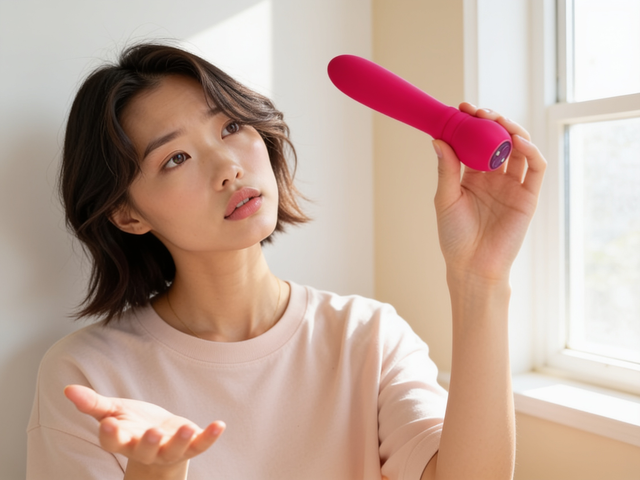
Min is a palm-sized wand. Retailer listings give its body as medical-grade silicone, which is a marketing term and not a regulated one, and put it at five intensity levels and five patterns, so you can settle on one and leave it there. Full-size wands are in the wands collection if you want more weight behind it.
If the clitoral-stimulation point is the one that rings true, suction speaks to it. The sensation is oral in shape: a pull that arrives in waves, because the device cycles air pressure against the skin.
Featured in this piece

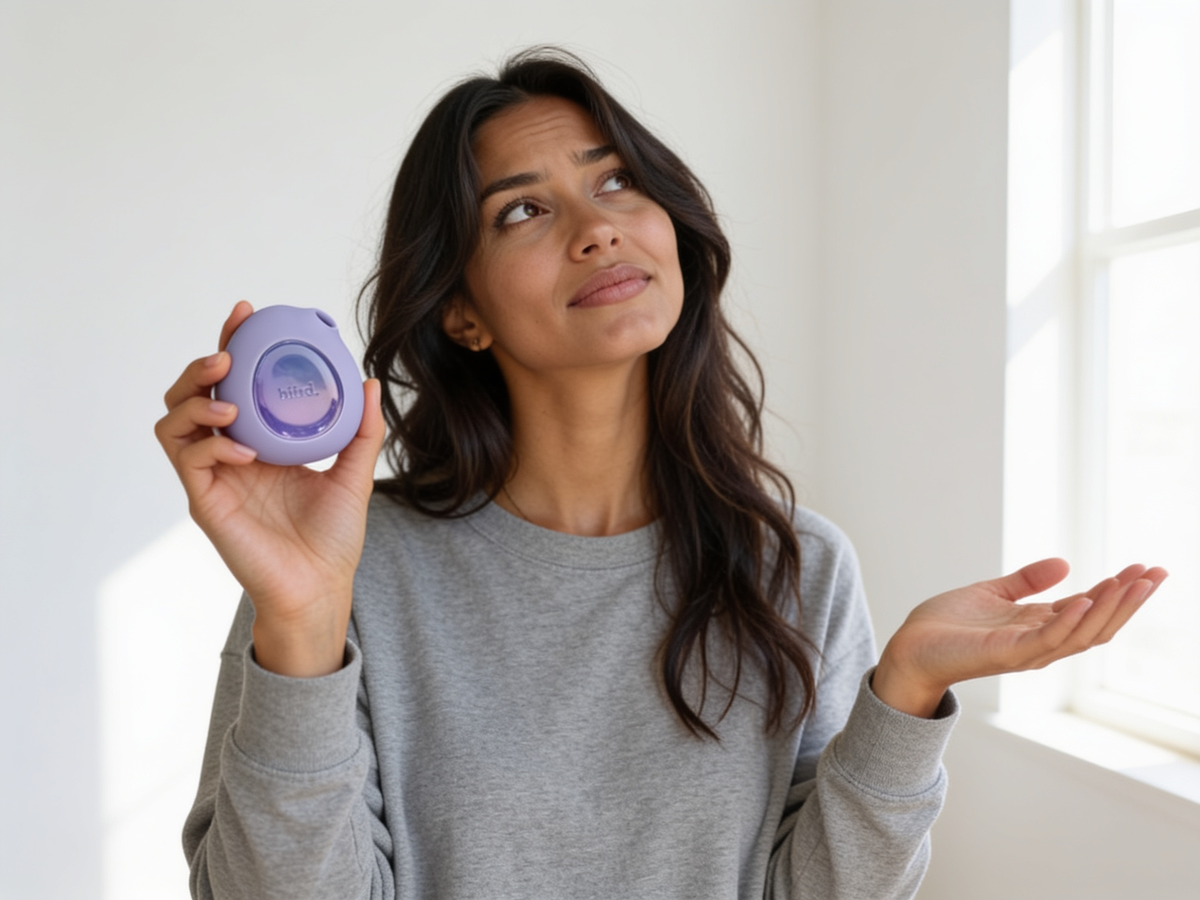
Lumii works by pressure wave, which is where the pull comes from. The rest of that family is in the suction and air-pulse collection.
Frequently asked questions
Is it normal to enjoy sex and not orgasm?
Yes. MedlinePlus puts the share of women who have never had an orgasm at about 10 to 15 percent and reports that in surveys up to half are not satisfied with how often they reach one. Episode 512's framing is the useful one: pleasure and orgasm are connected experiences, and the page says plainly that you can enjoy sexual touch without reaching orgasm.
Does pleasure always lead to orgasm?
No. The episode page states that pleasure does not always lead automatically to orgasm, and that the two are connected without being the same experience.
Can trying harder to orgasm backfire?
Yes, and the episode page names the mechanism. When orgasm becomes a requirement, it says, you may begin monitoring your progress instead of experiencing pleasure. The checking competes with the feeling for the same attention.
Do most women orgasm from vaginal penetration alone?
No. MedlinePlus states that most women require clitoral stimulation to reach an orgasm, and that including clitoral stimulation in sexual activity is sometimes all that is needed. The episode page puts it as many women not reliably reaching orgasm from penetration alone.
Does this need a doctor?
Yes when any of these is true, and they are examples rather than a closed list: something changed suddenly, there is pain, a new medication arrived, or it is simply bothering you. MedlinePlus lists medication first among the health causes, naming the SSRI antidepressants fluoxetine, paroxetine, and sertraline specifically. Among the physical contributors it lists hormonal change including menopause, chronic pelvic pain such as endometriosis, nerve damage from multiple sclerosis, diabetes, or spinal cord injury, vaginismus, and vaginal dryness. It lists fatigue, stress, and depression among the causes too, along with a history of sexual abuse and negative feelings about sex, and it names symptoms of anxiety and depression as something to raise with a provider. A sex therapy specialist can help. If the difficulty started after a new medication, take that to the provider who prescribed it, and do not stop or change a dose on your own.
Can a vibrator help with reaching orgasm?
Yes, within the context the source gives it. MedlinePlus lists a mechanical device such as a vibrator as something that may be helpful for reaching orgasm during masturbation.
Sources
Orgasmic dysfunction in women. MedlinePlus Medical Encyclopedia, U.S. National Library of Medicine.

Your AI guide at xdipx.com
Emma is an AI guide to our product catalog on xdipx.com and her job is to find what fits you.
The Notebook, in your inbox.
One send, once-ish a week. Only the ones worth reading. Unsubscribe anytime, we're not needy.