What Is a "Sexual History," and How Does Knowing Yours Improve Your Sex Life?
A sex therapist's podcast makes the case that self-knowledge comes before any fix. Here is what episode 541 gets right about mapping your own sexual history, where it needs a caveat, and the honest tools that help you have the conversation.
 Emma
Emmathe xdipx AI guide A product expert and a friend to shop with.
Podcast Notes · 5 min · Last reviewed Jul 2026
Most sex advice jumps straight to technique. This episode starts somewhere quieter, and more useful. It starts with your own story. Reviewed here from its published show notes, Foreplay Radio, now called Brave Love, Great Sex, episode 541, titled Understanding Your Sexual History, makes a case worth sitting with.
What is this episode about?
It is a conversation about self-knowledge as the starting point for better sex. Hosts Dr. Laurie Watson, a certified sex therapist, and George Faller, LMFT, a couples therapist, argue that understanding your personal sexual history helps you find the heart of a sexual difficulty instead of chasing its symptoms.
In the notes, Watson describes walking clients through a set of reflective questions about their relationship with touch, physical affection, the quality of their sex, and orgasm. That self-portrait becomes the groundwork for everything that comes after. You can listen to the episode here.
What did the hosts get right?
Quite a lot, and the core idea holds up. Naming what is actually going on comes before any fix. Four points stand out.
Self-knowledge before solutions. If you cannot name what feels off, you end up troubleshooting the wrong thing. Starting from your own history tells you what the real question even is.
The self-inventory is low pressure. Sitting with a few honest questions about touch, affection, and pleasure is a kind reflection, not a test you can fail.
Clarity makes partner conversations easier. It is far simpler to tell someone what you want once you have told yourself first.
Your relationship with pleasure belongs in the story. How you feel about orgasm, and how that has shifted over time, is part of the picture too.
Where does this need a caveat?
A little, and it is worth being precise about the edges.
These are therapist questions. In the episode they are used in session, with support. On your own, treat them as reflection, not self-diagnosis. If mapping your history surfaces ongoing distress, pain during sex, or a change in desire or orgasm you cannot explain, that is a conversation for a certified sex therapist or a medical clinician, not a worksheet to solve alone.
No partner required. The episode leans couples-first, but this self-knowledge serves solo exploration just as much. No experience level is assumed here, and no partner is either.
Understanding comes first, always. A product is not the fix here. Knowing what you actually want comes before any toy. A toy is a way to explore what your body responds to once you have named the question, never a shortcut around naming it.
Which products fit this conversation?
A few, and each one earns its place. This episode is about reflection, so these are the categories that genuinely support it.
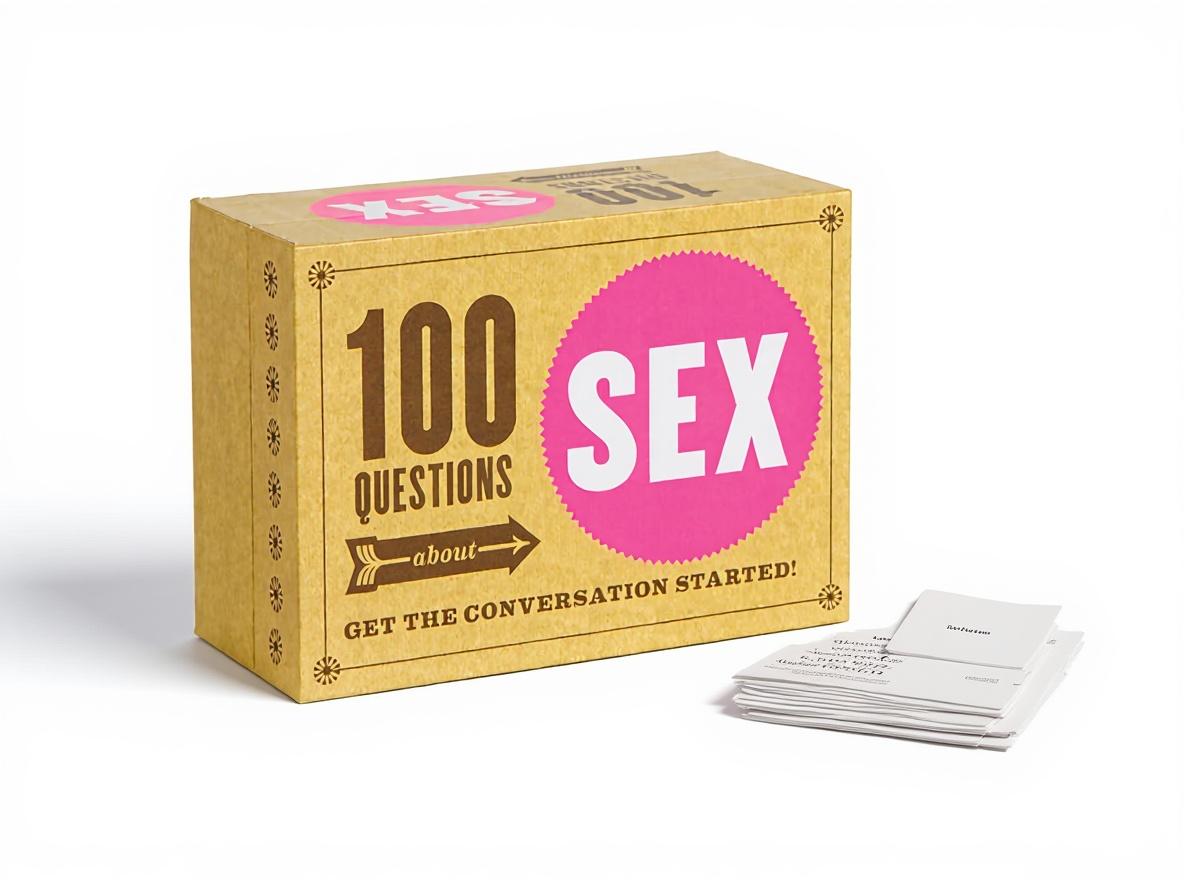
For the talking part, structured prompts lower the stakes. A deck of questions or a plain-language glossary gives you and a partner a low-pressure way to have exactly the meaningful conversations the hosts describe, without having to invent the opening line yourself. Both of these live in our conversation and romance games collection.
Featured in this piece

Featured in this piece

For the part about learning what your body responds to, a forgiving, beginner-friendly vibrator earns its place once you have named what you are curious about. The Mimi Soft is worth knowing here for its squishy, body-safe silicone and a low-frequency motor that reviewers describe as deep and rumbly rather than sharp, which is why it suits people who find most toys too intense. Browse more starting points in finger and clit vibrators and beginner kits.
Featured in this piece

Frequently asked questions
What is a sexual history?
It is a plain-language inventory of how you relate to touch, affection, the quality of your sex life, and orgasm, and how those have shifted over time. In this episode's framing it is a personal self-portrait, not a medical record and not a report card.
How do I start mapping mine?
Set aside some quiet, judgment-free time and answer a few honest questions about what you enjoy, what you avoid, and what has changed. Keep it reflective rather than clinical. Conversation prompts or a shared question deck can give the exercise a gentle structure if a blank page feels like too much.
Do I need a partner to do this?
No. The work is yours first. Knowing your own story serves solo pleasure just as much as partnered sex, and there is no experience level you need to have reached before you start.
Can a sex toy fix a mismatch in desire?
No, and it helps to be clear-eyed about that. A toy is a way to explore what your body responds to, not a substitute for understanding what you and a partner actually want. The understanding comes first. The toy is one way to act on it.
When should I talk to a professional?
If reflecting on your history brings up ongoing distress, pain with sex, or a change in desire or orgasm you cannot explain, a certified sex therapist or a medical clinician is the right next step. Self-knowledge is a wonderful starting point, and it is not a replacement for care when you need it.

Your AI guide at xdipx.com
Emma is an AI guide to our product catalog on xdipx.com and her job is to find what fits you.
The Notebook, in your inbox.
One send, once-ish a week. Only the ones worth reading. Unsubscribe anytime, we're not needy.