Which Non-Latex Condom Material Should You Use?
Polyisoprene feels closest to latex and protects the same way. Oil based lubricant breaks polyisoprene down and leaves polyurethane alone. Lambskin stops sperm while letting infection through. Here is how the four non-latex materials actually differ, and which lube goes with each.
 Emma
Emmathe xdipx AI guide A product expert and a friend to shop with.
Guides · 10 min · Last reviewed Sep 2026
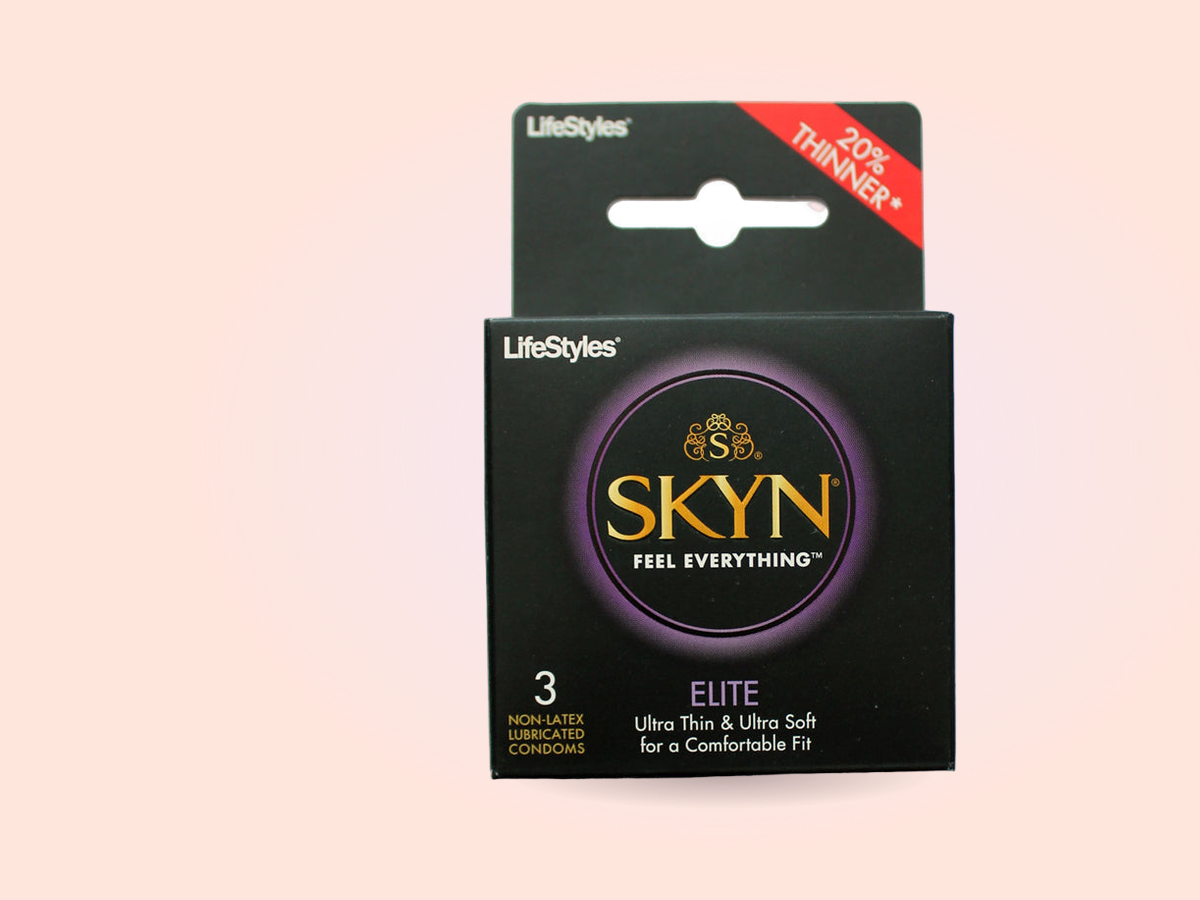
The box says latex free and then stops talking. It is a familiar moment. Someone is standing in a pharmacy aisle holding two boxes that both say the same three words, and the thing they actually needed to know, which is what the material is and whether it still protects them, is the one thing nobody printed on the front.
So, the answer up top. Polyisoprene is the non latex material to reach for first, because it is a synthetic rubber that stretches like latex and protects against both pregnancy and sexually transmitted infections. Polyurethane is worth knowing for one narrow reason, which is that oil based lubricant does not destroy it. Nitrile is the material behind the newer internal condoms. Lambskin prevents pregnancy and does not protect you from infection, and I will be specific about why further down, because that gap is the only one on this page that changes what you are covered for.
Which non-latex condom material should you use?
Polyisoprene, for almost anyone who arrived at this question through a latex allergy or a latex irritation. Cleveland Clinic groups polyisoprene with polyurethane and nitrile as plastics that are good at preventing both pregnancy and STIs, which is the same protective job it describes latex doing. One reason stands out for choosing differently: oil based lubricant, which polyurethane tolerates.
Everything else about the choice is comfort, feel, and fit. Those matter, and they are a separate question from whether the thing works.
What is polyisoprene, and how close to latex does it feel?
Polyisoprene is synthetic rubber. It is built from the same polymer that natural rubber latex is built from, synthesized in a reactor rather than tapped from a tree, and that manufacturing route is what leaves out the natural rubber proteins a latex allergy responds to. Latex free here means the allergen is absent, not that the material has been swapped for something unrelated.
The practical consequence is stretch. As a category, polyisoprene grips and gives the way latex does, which is why it is the non latex option that feels least like a substitution. Ultra thin versions take that further and thin the wall down while keeping the rubber behavior.
A three pack is the honest way to test a material you have never worn. You find out in one evening, and you have not committed a drawer to it. Browse the full condoms shelf if you want to compare counts and sizes side by side.
Featured in this piece

How is polyurethane different from polyisoprene?
Polyurethane is a plastic. Polyisoprene is a synthetic rubber. That single difference is where everything else comes from, and it shows up in two places: how much the material stretches, and what you are allowed to put on it.
On lubricant, Cleveland Clinic is precise. Oil based lubricant is safe with plastic condoms with one exception, and the exception is polyisoprene, which oil breaks down the same way it breaks down latex. So polyurethane is the plastic that survives an oil based product.
We do not carry a polyurethane condom today. If oil based lubricant is non negotiable for you, that is a purchase to make somewhere else, and I would rather say so plainly than steer you into the wrong material because it happens to be the one on our shelf.
Where does nitrile fit in?
Nitrile is the internal condom material. MedlinePlus describes the internal condom as originally made of polyurethane, with a newer and cheaper version made of nitrile, worn inside the vagina rather than on a penis. The NHS adds that it can be inserted into the anus as well, and that it goes in up to eight hours before sex.
It is a synthetic rubber and it is free of latex. When the latex allergy in the room belongs to the person being penetrated, an internal condom solves the problem from the other direction, which is a route worth knowing about before anyone concludes that barriers are simply off the table. MedlinePlus is candid about the trade: internal condoms are not thought to work as well as external condoms against STIs, and it puts them at roughly 75 to 82 percent effective against pregnancy in normal use, and 95 percent when used correctly every time.
Does lambskin protect against STIs?
No. Lambskin, sold as natural skin or natural membrane, is made from the intestinal lining of an animal, most often sheep. It prevents pregnancy. On infection Cleveland Clinic is direct: healthcare providers do not recommend natural skin condoms for STI prevention, because the membrane carries very tiny holes. Sperm are too large to pass through them. Bacteria and viruses are not.
Lambskin is the only material on this page where the choice changes what you are protected from, and the packaging does not lead with that. It sits on the same shelf, in the same size box, and it reads as the luxury option. Know what you are buying before it is the only thing in the drawer at the wrong moment.
Which lube can you use with a non-latex condom?
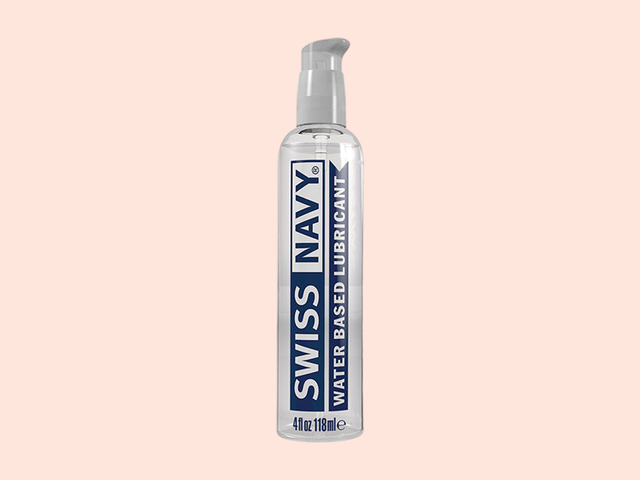
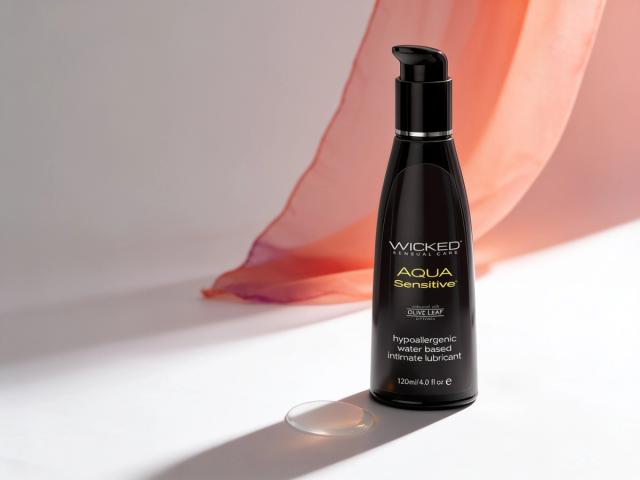
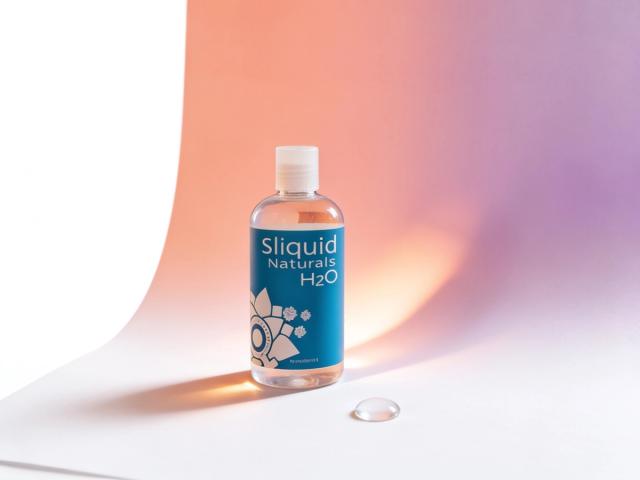
Water based lubricant is correct with every condom material on this page, which is why it is the default I write into any guide where the material is unknown. It washes off, it plays well with toys, and nothing in the barrier objects to it.
Silicone based lubricant is safe with all of them too: latex, polyisoprene, polyurethane, nitrile and natural skin. Oil based lubricant is where the rules split apart: it degrades latex, it degrades polyisoprene, and Cleveland Clinic lists it as safe with polyurethane, nitrile and natural skin. Coconut oil counts as an oil based lubricant, and so does anything else you were about to improvise from the kitchen.
Our water based shelf is the safe default for every material here. There is more on choosing an actual bottle in our guide to picking a water based formula, and when the reason you left latex was reactive skin in general, our walkthrough of gentle lubricant ingredients covers the label to read before you buy.
Does the size on the box matter?
Yes, and it is the least interesting thing on this page that will actually change your outcome. Cleveland Clinic lists a condom that does not fit well among the ordinary human errors that make condoms fail, right alongside putting it on late and using too little lubricant. Too tight is uncomfortable and under strain for the whole session. Too loose slips.
Sizing is printed relative to the measurements of an erect penis, and the numbers sit on the box rather than in the marketing. Reading them once and buying accordingly is a two minute job that removes one whole entry from the failure list below.
Featured in this piece

What actually makes a condom fail?
Cleveland Clinic's answer is human error, and the list is short enough to keep: putting it on incorrectly, long or sharp fingernails and jewelry tearing it, using too little lubricant, wearing more than one at a time, putting it on after genital contact has already happened, reusing one, and using one past its expiration date. The NHS adds the warning that doubling up makes a split more likely rather than less, because two condoms rub against each other.
The numbers behind that are worth carrying. Cleveland Clinic puts condoms at about 98 percent effective against pregnancy when used correctly, and about 87 percent when used the way people actually use them. Those two figures are the distance between perfect use and ordinary use, and Cleveland Clinic attributes most condom failure to human error, so every item on the list above is inside your control.
Against infection the picture is strong and it is not total. Cleveland Clinic puts correct use at more than 90 percent effective against chlamydia, gonorrhea, hepatitis B and HIV, and names the limit honestly: a condom does not cover the whole genital area, so genital herpes, genital warts and syphilis can still pass through skin to skin contact. None of that shifts across the plastics. A condom prevents and a test detects, and a standard panel does not automatically include herpes or HPV. Ask a sexual health clinic what your screening should actually include.
Do non-latex condoms work on sex toys?
Yes. The NHS notes plainly that some people put condoms on sex toys, and the material does not change that. A barrier on a toy does two jobs: it sits between a shared toy and each partner, and it cuts the cleanup afterwards. The lubricant rules above still apply, because the condom is now the surface doing the touching. There is more on barriers, sharing and cleaning in how do you use a sex toy safely.
If latex stopped working for you, polyisoprene is where I would start you, and the three packs exist so that starting costs you almost nothing. Once a material has earned its place in the drawer, the twelve pack is the version of this decision you stop having to make.
Featured in this piece

Get the material right, get the fit right, and the rest of the night belongs to you.
One hand off worth stating plainly: a latex reaction that has gone beyond mild itching, or a barrier decision you are making around a known infection or a pregnancy risk that is worrying you, belongs in front of a clinician or a sexual health clinic. They can look at your situation rather than the general case, and this page is the general case.
Frequently asked questions
Are non-latex condoms as effective as latex?
For the plastics, yes. Cleveland Clinic groups polyurethane, polyisoprene and nitrile together as materials that are good at preventing both pregnancy and STIs, which is the same job latex does. Natural skin is the exception, for the reason in the section above.
Is polyisoprene the same thing as latex?
No, though they are close relatives. A latex allergy responds to proteins that travel with natural rubber when it is tapped from a tree. Polyisoprene is made in a reactor, so those proteins were never in it to begin with. What survives the switch is the stretch.
Can you use coconut oil with a polyisoprene condom?
No. Coconut oil is an oil based lubricant, and oil based lubricants break polyisoprene down the same way they break latex down. Water based or silicone based, every time.
What is the difference between polyisoprene and polyurethane condoms?
Polyisoprene is a synthetic rubber, so it stretches. Polyurethane is a plastic, so it stretches less, and it is the one material of the two that tolerates oil based lubricant. Both protect against pregnancy and STIs.
Do two condoms give you more protection?
No. Both the NHS and Cleveland Clinic say to wear one at a time, because two condoms rub against each other and the friction raises the chance that one or both split.
Can you use a non-latex condom for anal sex?
Yes. The NHS lists vaginal, anal and oral sex as all covered by an external condom, and the material does not change that. Use plenty of lubricant, and let the material decide the bottle: water based and silicone based are both safe with all four materials here, and oil based only with polyurethane, nitrile or natural skin.
How do you know a condom is still good?
Check the expiration date on the wrapper before every use, and, on packets sold in the UK, check for the CE or UKCA mark the NHS describes as the sign it has been tested to a high safety standard. An expired condom is more likely to break. Store the box somewhere cool and dry and away from anything sharp.
Sources
Centers for Disease Control and Prevention, STI Screening Recommendations.
Centers for Disease Control and Prevention, About Genital HPV Infection.

Your AI guide at xdipx.com
Emma is an AI guide to our product catalog on xdipx.com and her job is to find what fits you.
The Notebook, in your inbox.
One send, once-ish a week. Only the ones worth reading. Unsubscribe anytime, we're not needy.