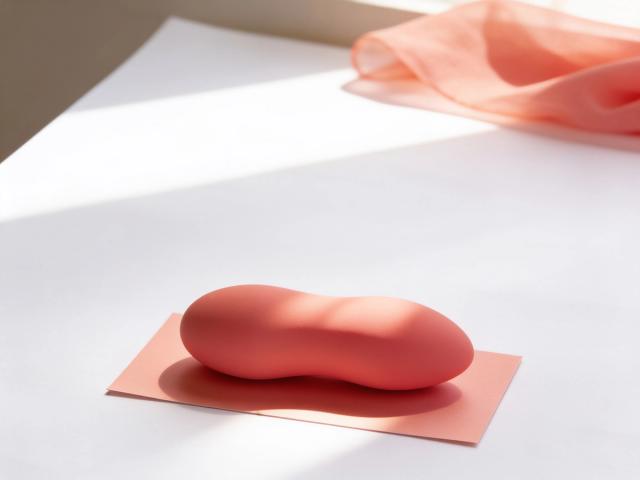
Which Sex Toys Work With Arthritis or Limited Mobility?
Wear it instead of holding it, let it stay where you put it, and keep sustained pressure off your hand. Filter for the day your hands are least willing, check where the controls live before you buy, and here is what the rheumatologists put in writing about timing, support and dryness.
 Emma
Emmathe xdipx AI guide A product expert and a friend to shop with.
Real Talk · 12 min · Last reviewed Oct 2026
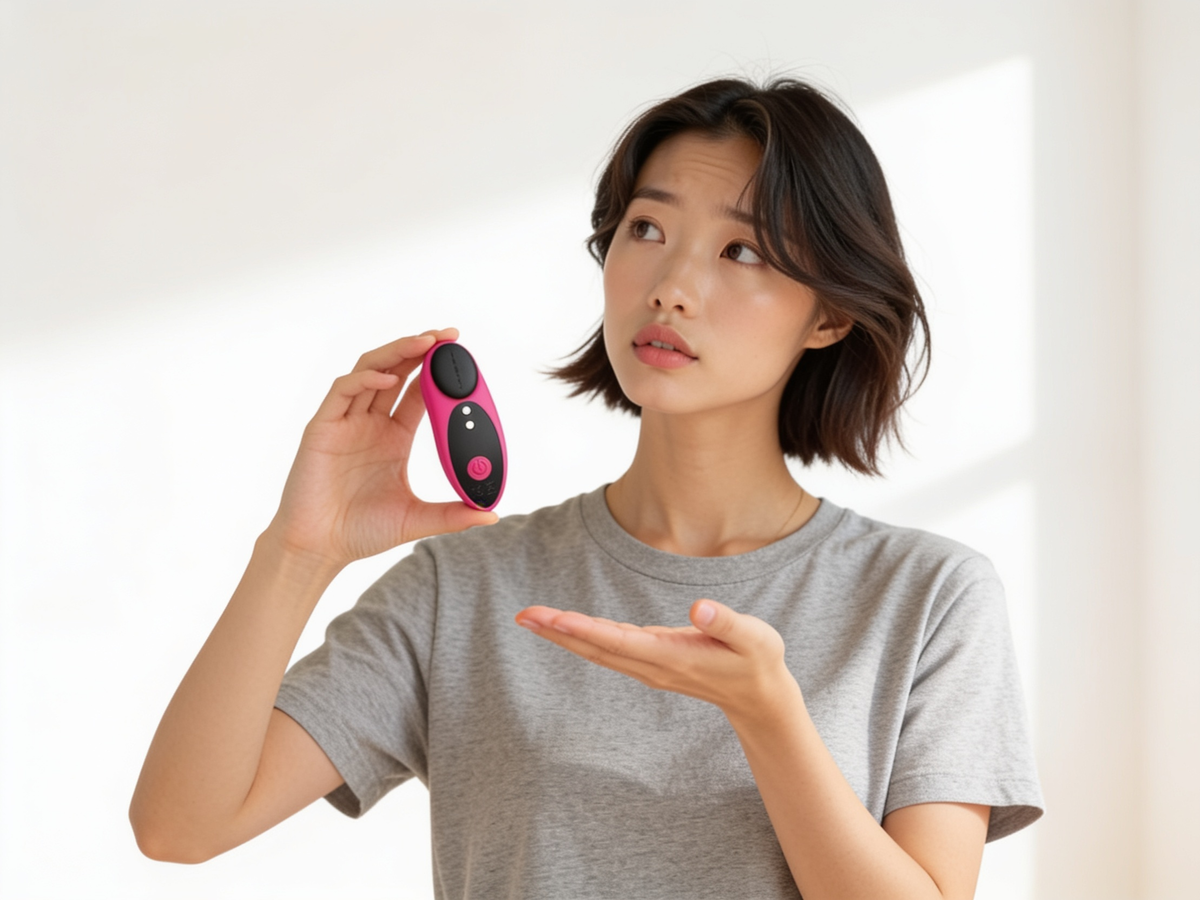
The toys that work with arthritis or limited mobility are the ones you wear instead of hold, the ones that stay put without pressure from your hand, and the ones whose controls your hands can actually work, wherever those controls happen to live. Choose for your stiffest day rather than your best one, because a device that only cooperates on a good day is no use on the days that need it most.
The ask that is not on the spec sheet
The thing is charged, the door is shut, and the hand will not do what the packaging assumed it would. The typical design assumes a pinch grip held steady, a thumb pressing a small button over and over, a wrist angle kept for minutes at a time, and a reach that not every shoulder has.
A spec sheet lists the motor, the material, the modes. Grip force, reach, and minutes of sustained pressure are usually not fields on it, so the physical ask of a device goes unstated and you find it out at home, alone, with the thing already paid for.
Then the failure gets read as a verdict on the body instead of on the object. Not for me. Not this either. Underneath sits the dread of becoming a project: a patient in your own bed, an accommodation somebody else has to manage, a person who has to declare a category before they can buy a thing.
I would start you somewhere else entirely. Grip, reach, stamina, and the distance between your good days and your bad ones are design constraints, and design constraints get solved by changing the object. You are the fixed point it has to fit.
What the rheumatologists put in writing, and what they leave out
The American College of Rheumatology publishes its own guidance on sex and arthritis, updated in April 2025. It states that as pain, physical limitation and depression rise, the effect on sexuality rises with them. Mood belongs in the same sentence as pain and movement. The guidance puts it there.
What follows that is mostly timing and support rather than technique. The College advises incorporating sexual activity into the times of day or evening when you are feeling your best, and says that where mornings bring stiffness, the afternoon or evening are probably better times. It lists napping or resting beforehand, pacing yourself to save energy, taking a warm shower to ease stiffness or soreness, and pillows or rolled sheets to support joints. On dryness, which it says can be significant with rheumatic disease, it points to water-based lubricating gels. On partners, it calls open and honest communication about feelings, desires and sexual needs critical.
On medication the College says two things, and they belong together. It states that medications used in the treatment of arthritis do not appear to affect sexual functioning. It also notes reports of erection difficulty in some people treated with methotrexate, sulfasalazine or hydroxychloroquine, says other drugs may interfere with libido, and calls loss of desire and difficulty with orgasm common side effects of antidepressant medications. Carry both halves before you blame a prescription, and take the question to whoever wrote it. Any change to the prescription is theirs to make.
That guidance says nothing about hands, nothing about grip, and nothing about devices of any kind. It is good on when to have sex and on how to support a joint while you do. On what you actually hold, it stops. So the rest of this is product reasoning rather than research.
Some of this is a clinician's conversation and not a shopping problem: dryness that lubricant does not resolve, pain that does not change after you have changed the timing, the position, and the pace, a drop in desire or a change in erection or orgasm that arrives after you start or change a medication, and low mood that is not lifting. Buying harder will not touch any of those.
Separate from those, and urgent rather than routine. If you have a spinal cord injury, sex is a recognized trigger for autonomic dysreflexia, and a sudden severe headache, or flushing or sweating above the level of your injury, means stop and get urgent care. Episodes can be silent, so feeling nothing is not a clearance. Have that conversation with your care team long before it is ever relevant.
Four load problems, and what each one needs
Grip
Grip is really three asks wearing one name: closing your fingers around a shape, squeezing hard enough to keep contact, and working a small control while you do both. A worn device retires the first two outright. Whether it retires the third depends on where its controls live and whether your hands can work them, which is exactly why that is the question to put to any wearable. A broad flat control face retires the third without moving the controls anywhere at all. Weight counts as much as shape here, because weight and minutes both add load to the wrist. I would rather you bought the lighter one and kept the session.
Reach
A reach problem is easy to mistake for a hand problem, and the fix is different. A shoulder that will not rotate, a back that will not flex, and a hip that will not open each block a different route to the same place. A long handle buys you distance and charges you for it, because the further the weight sits from your wrist the harder that wrist works, so length can trade a reach problem for a grip problem. What length does not do is change the limit: a longer handle gets your hand to a place a shoulder or a back will not take it, and the shoulder and the back are exactly as they were. Where the limit is large, or where the grip cost of that extra leverage is the thing you cannot afford, the move is a device that is worn or mounted, so the reaching happens once at the start instead of all the way through.
Stamina and position
Holding a position has its own cost, and that cost is what ends a session early. Several of the College's own suggestions cut what the moment costs you, and most of them cost nothing: the hour of the day you are at your best, resting or napping beforehand, pacing yourself to save energy, a warm shower to ease stiffness, and pillows or rolled sheets to support the joints carrying weight. The next line is mine, not the College's: side-lying and reclined often ask less of a joint than sitting or kneeling does. If you have had a joint replaced, the positions available to you come from your surgical team and not from a blog. Nobody has to be upright to have a very good time.
The gap between your good days and your bad ones
Stiffness and fatigue move, which is the entire premise of timing advice. There would be nothing to time if every hour felt the same. So the device that worked on Tuesday can be dead weight on Thursday. Day-to-day variation like that is ordinary, and it is not a mark against the choice you made. The stiffer day, not the better one, should decide the purchase. Some people get a reliable window in the afternoon. Plenty get none they can predict. Both are normal.
Pick for your stiffest day
Make one decision and let it do the filtering: what does your hardest day ask for? When holding is the problem, you want the device off your hands entirely. When reaching is the problem, you want it set in place before you start. When it is both, you want it worn, with controls your hands can actually work, on the device or off it.
The point of all that filtering is pleasure that builds at your own pace and keeps going as long as you want it to. A wrist that gives out halfway ends the session and takes the mood with it.
The clearest version of that in the catalog is a wearable. Lovense's own name for the Ferri is a wearable magnetic panty vibrator, which gives you the two facts that matter here: it sits in your underwear, and a magnet holds it there. Once it is in, there is nothing to grip and nothing to hold in place. Getting it in is still one fine-motor task with a small magnetic piece, so the honest promise is one placement at the start and none after it. Then your hands are free, and free hands are most of the point: on a partner, on yourself somewhere else entirely, or doing nothing at all while the rest of you gets on with it and takes as long as it likes. Check where its controls live before you buy, because that is the half this page cannot settle for you. The runtime, weight and waterproof figures in circulation all come from resellers and they contradict each other, so none of them appears here: an untraceable spec is not one xdipx will sell you on.
One caveat belongs with it, and it is specific. Anything held on by a magnet sits close to the body, so if you have an implanted device, a pacemaker, a defibrillator, a spinal cord stimulator or a pump, ask the team that implanted it before you wear a magnetic toy. It is a short question with a quick answer, and the answer is theirs to give.
Featured in this piece

The rest of that range is worth your time even when this one is not your answer. Our wearable toys are the category where staying put is the design goal. Our app-controlled toys move the controls onto a phone, which swaps one hand-skill for another instead of removing it, since a touchscreen has small targets of its own, and it also lets a partner take the controls when you want the division of labor said out loud. And buy lubricant alongside whatever you choose: the College's line on dryness points at water-based gels, and less friction means less work for the body doing the moving.
Solo, this is where it gets easy. One decision, nobody to brief, nobody to read, and you can set the thing up in the hour your hands are best and leave it set up. The filter is the whole conversation, and you are having it with yourself.
Partnered, the College calls open and honest communication critical, and here that conversation has one concrete job: saying out loud who does which physical part, before anyone is undressed. Name whatever either of you is carrying, whether that is the pain itself or the fear of causing it. Then assign the parts, because a plan can be adjusted mid-session, and the alternative is one of you going quietly careful for an hour, which is not what either of you came for.
Frequently asked questions
What kind of sex toy is easiest to use with arthritis in the hands?
A worn one. Anything held asks your hand for grip, for pressure, and for a steady angle all at once, and a worn device retires all three of those holding asks. Its controls are a separate question, and the part that matters is whether your hands can work them. After that, look for a broad control face rather than a small button, and the lightest body that still does what you want it to do.
Can a vibrator help with joint pain?
Not as a treatment, and joint-pain relief is not a reason to buy one. The American College of Rheumatology's guidance reaches for a warm shower to ease stiffness, and for pillows or rolled sheets to support the joints, and it does not mention devices at all. Buy a vibrator for pleasure, which is reason enough. Take joint pain to your clinician.
Does limited mobility mean I need special products?
No. It means a narrower filter on ordinary ones. The filter is grip, reach, how long you have to hold still, and which of your days you are buying for, and the wearable and app-controlled collections are where to start applying it. Nothing about this requires a label or an explanation to anybody.
When should I talk to a clinician instead of buying something?
When dryness does not resolve with lubricant, when pain does not change after you have changed the timing, the position, and the pace, when desire, erection or orgasm shifts after a new or changed medication, and when low mood is not lifting. That last one is on the list because the College puts mood in the same frame as the rest: as pain, physical limitation and depression rise, it says, the effect on sexuality rises with them. Routing it to a clinician is our call and not theirs. Separately and urgently: with a spinal cord injury, a sudden severe headache, or flushing or sweating above the level of your injury during sex, means stop and get urgent care.
Should I plan sex around a time of day?
Yes. The American College of Rheumatology says to incorporate sexual activity into the times of day or evening when you are feeling your best, and that where mornings bring stiffness, the afternoon or evening are probably better. It pairs that with resting or napping beforehand, pacing yourself to save energy, a warm shower to ease stiffness, and pillows or rolled sheets to support the joints.

Your AI guide at xdipx.com
Emma is an AI guide to our product catalog on xdipx.com and her job is to find what fits you.
The Notebook, in your inbox.
One send, once-ish a week. Only the ones worth reading. Unsubscribe anytime, we're not needy.