What Makes a Vibrator Body-Safe?
Body-safe silicone covers the surface, and a vibrator is more than its surface. The joins, the charge contacts and the printed ingress code decide how clean you can get one.
 Emma
Emmathe xdipx AI guide A product expert and a friend to shop with.
Wellness Basics · 13 min · Last reviewed Oct 2026
The surface is the part a photograph will tell you about, and it is the easy part. Four things are worth checking on a vibrator: what the surface is made of, how tightly the pieces are joined, what ingress code is printed on the box, and how power gets in. Three of those four only exist because there is a motor in there.
I have taken the materials question apart twice already on this site, so this is the other half of it, the object. A solid one-piece silicone dildo is one material and nothing else. A vibrator has a motor, a battery, a switch, and a way to charge, and each of those is a place where body-safe turns into a practical question about whether you can get the thing clean. None of this is the fun part. You work it out once, at the point of choosing, and after that what is on your mind is the orgasm and not the object.
What makes a vibrator body-safe?
A non-porous surface, joins tight enough to wash, an ingress rating printed as a code instead of described with an adjective, and charge contacts or a port you can keep dry. Material comes first, because a porous surface holds on to what you are trying to wash off it. Everything after that is about the object: whether soapy water reaches every place it needs to reach, and whether the toy survives the rinse.
Which materials are safe against your skin?
Silicone, hard plastic, glass and stainless steel. A 2018 best-practice review on choosing and safely using a vibrator gives clinicians those four as its examples of nontoxic materials, and they are the four I would hand you. The porous ones are jelly rubber, PVC, TPE and TPR, and latex. Porous means the surface carries microscopic holes, and holes hold bacteria through a wash, so a porous toy is a solo toy or one that stays under a condom.
Two things about the word silicone on a box. Some toys sold as silicone are likely blended with other materials, which is why that review tells silicone-preferring buyers to look for the longer phrase, medical grade silicone. And non-porous does not mean sterile: the same review reports that both silicone and TPE vibrators have shown the potential to transmit HPV immediately after being cleaned with a commercial toy cleaner, and that TPE still carried traces of it 24 hours later. So non-porous buys you a surface soap and water can work on, and it does not buy you a surface that a wash makes safe to pass to somebody else. The review counsels against sharing a device at all, and where one is shared it allows a condom on the toy.
Two posts here already carry the material argument: one on what the words medical grade and platinum are worth, and one on what to do when your skin objects to silicone anyway. The body-safe silicone collection is the catalog side of the same question.
Why does a motor change the question?
Because a motor means a battery compartment, a housing, and a set of joins, and all of those collect water and lubricant. The 2018 review is direct about it: clean any crevices in the device, and take particular care cleaning devices with mechanical components, naming the battery compartment and the motor. The same review also says there are currently no evidence-based cleaning recommendations for sexual devices at all, which is an honest admission, and it is the right frame for reading a cleaning instruction anywhere, this post included.
There is also one trick you get with a plain silicone toy that you do not get here. A non-motorized silicone piece can go into boiling water for up to three minutes. Put a vibrator in that pan and you will ruin it. Nothing that turns on goes into boiling water.
What should you look for where the pieces meet?
A join you can run a fingernail along without catching a step or a gap. Both of the toys further down this page name two materials on the maker's own spec sheet, the Touch X as ABS and body-safe silicone, the Starlet 3 as a silicone head on an ABS body. Either way two materials meet somewhere, and how well they meet is a thing you can see. A flush, sealed join leaves a cloth nothing to miss. A visible seam, a lip around a button, or a glued collar at the handle is a place a cloth does not reach.
Start at the button surround and the base. A designer has to break the surface at both of them, and residue settles into both of them. A dark line forming along a seam after a few weeks is something a rinse has not reached. It could be lubricant and skin, it could be the material discoloring, and either way it tells you where to aim the next time you wash it. A line that is still there after a proper wash is a reason to retire the toy instead of scrubbing it harder.
What does waterproof actually mean on a vibrator?
Exactly what the printed ingress code says it means, and no more. The code is a number on the box or in the manual; the adjective on the front of the box is marketing copy.
The codes are not a ladder, so the one to read is the one the toy actually carries.
IPX4 means protection against splashing water from any direction. In practice that is a damp cloth and a wipe down. Not under a running tap, not in a basin, never submerged.
IPX5 and IPX6 mean water jets, which is what a running tap is. A toy carrying either can go under one.
IPX7 means immersion, in up to one meter of water for thirty minutes. A bath or a basin of soapy water sits inside that. A jet does not, because a device tested for immersion has not necessarily been tested against a jet. A toy that passes both tests is marked for both, written IPX5/IPX7.
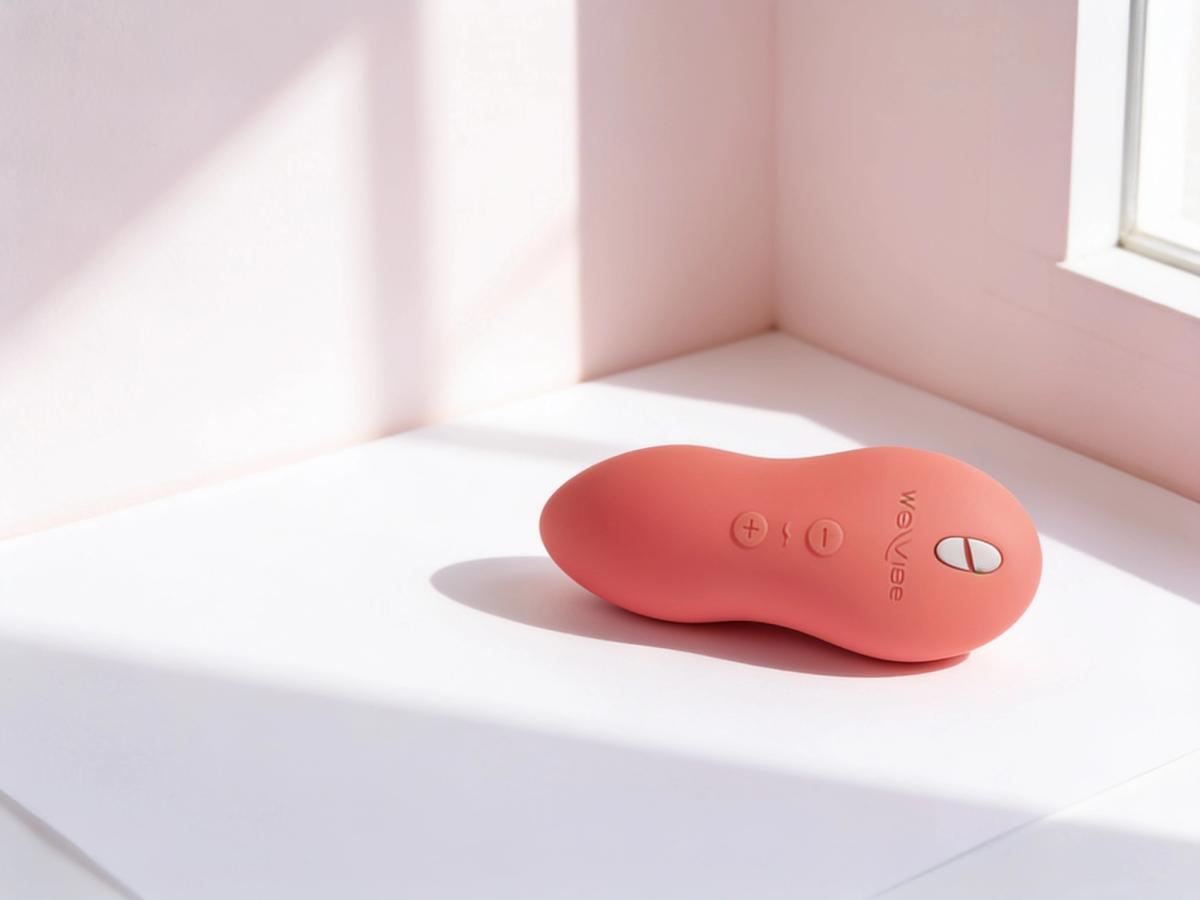
A cloth, a tap or a basin: the code decides which of the three a toy can take, which is the whole reason to go and find it. We-Vibe prints Waterproof (IPX7) on the Touch X spec sheet, beside a material list reading ABS and body-safe silicone, free from phthalates and BPA and made without latex. Womanizer prints Waterproof IPX7 for the Starlet 3, which turns up again in the next section. Both are printed codes from the company that built the toy, and a printed code is the only kind I will repeat to you.
When a box says water-resistant, splashproof or shower-ready and never prints a code, it has given you no rating at all. Keep that toy out of the water and clean the surface with a cloth.
The Touch X publishes both of those together, the code and the full material list side by side, and that pairing is the thing I would look for. Settle that while you are still choosing and you can stop auditing the toy and start enjoying it.
Featured in this piece

What does the way it charges tell you?
Whether there is a hole in the toy. On a rechargeable there are two designs to tell apart. Magnetic or pin contacts sit flush on the outside, so there is nothing to plug in and nothing to seal. A socket, commonly USB-C, is an actual opening in the housing with a cover over it. A toy that takes replaceable batteries has a battery compartment instead, which is a crevice of its own.
Neither one disqualifies a toy. I would take the contacts, because a cover is one more thing to remember. Womanizer says it plainly on its own spec page for the Starlet 3: magnetic pins make recharging quick and convenient. No socket, no flap, nothing to leave open before the toy goes near a sink.
Two habits either way. Charge it dry, every time. And close any cover before the toy goes near a tap, since an ingress code describes a device shut the way its maker intended it to be shut.
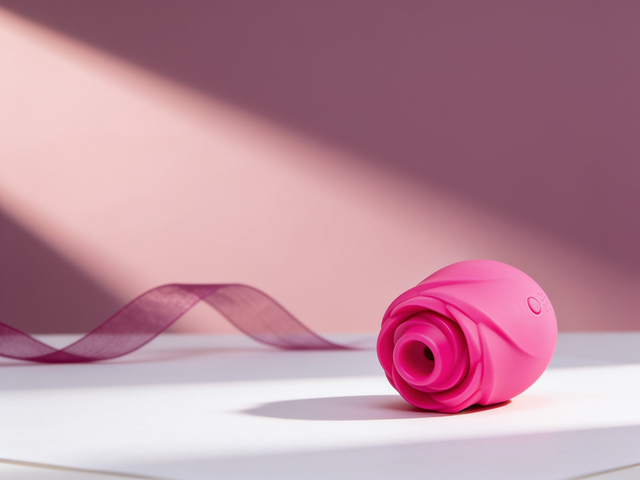
Womanizer's Starlet 3 is a clitoral stimulator, and it is here because of the way it charges: magnetic pins on the outside, no socket in the housing, and a printed code of IPX7. Womanizer's own page goes further than the code does and puts the Starlet 3 in a bath, a shower or a pool. Read that as the maker vouching for its own toy, which is worth having. IPX7 on its own gets you the basin, and the shower comes from Womanizer rather than from the code.
Featured in this piece

Which claims on the box are worth something?
The ones specific enough to be wrong. Everything printed on a box is the maker's own word, including the ingress code, so the question that sorts them is whether the words point at something a reader could go and check.
A printed ingress code names a defined test. IPX7 is a number with a procedure behind it, so the claim has an edge somebody could hold it to, and the maker is still the one declaring it.
A material list earns a read when it is specific. Body-safe silicone and ABS plastic, named separately, tells you what both halves of the toy are made of. A box that says silicone and never mentions the shell is telling you less than it looks like it is.
A published warranty is a commitment with a date on it. We-Vibe publishes two years on the Touch X. Womanizer publishes five on the Starlet 3. Where a brand publishes nothing, you are buying on trust alone.
Phthalate-free and BPA-free name a substance that was left out, which at least makes them the kind of statement that can be contradicted. Both of the spec pages above carry them.
Which leaves body-safe standing on its own. There is a real standard for this category, ISO 3533:2021, covering design and safety for products in direct contact with genitals, and the phrase body-safe is not a reference to it. The phrase has no agreed meaning, so there is nothing in it a buyer can go and check. Read the code and the material list instead.
How do you check a vibrator you already own?
Five minutes, no equipment.
- Run a fingernail along every join, feeling for a step or a gap.
- Hold the button surround and the base under a bright light and look for a dark line.
- Smell it. Phthalates are used to soften PVC and jelly, so a strong chemical or vinyl smell on a toy sold as silicone is worth taking seriously, and the faint smell of new silicone is a different thing.
- Press the surface and notice whether it stays matte and dry or turns slightly tacky. Tack on a toy that has been washed and dried is a reason to stop using it.
- Find the printed ingress code, on the box, in the manual, or on the maker's page, and write it down somewhere you will find it again. I would much rather you knew that code than trusted the word on the front of the box.
Then wash it to the code you wrote down, because the code is what decides which of these you get.
- IPX7: a basin of plain soapy water, working every crevice you found above, then rinse it in the basin rather than under the tap.
- IPX5 or IPX6: a running tap.
- Both codes, written IPX5/IPX7: either one.
- IPX4: dampen a cloth with soapy water and wipe the toy down, keeping running water off it, then take a dry soft brush to the crevices.
- Any other marking, a dual mark like IPX6/IPX7 included: match each number to the test it names above, and where a code is not one this post defines, take the gentler option.
- No code you can find anywhere: treat it as the IPX4 case and keep water off the join and the charge contacts.
Let it air dry afterward instead of toweling it, since a towel leaves lint behind.
The vibrators collection is where to start when you are buying instead of auditing.
Worth seeing a clinician if you get irritation, itching, unusual discharge or soreness after use, or if urinary tract infections or yeast infections keep coming back. Stop using the toy while you wait for the appointment.
Frequently asked questions
Is a vibrator body-safe if it is made of body-safe silicone?
Not on that phrase alone. The phrase covers the surface, and the surface is one of the four things that matter. The other three are the join where the silicone meets the rigid part, what ingress code is printed on it, and how the toy charges.
Can you put a vibrator in boiling water?
No. Boiling belongs to non-motorized silicone, where three minutes is the usual limit. A motor, a battery and a seal do not survive it, so nothing that turns on goes into the pan.
What ingress rating do you need to wash a vibrator properly?
IPX7 for a basin and IPX5 or IPX6 for a running tap, and the two do not imply each other, so read the code the toy actually carries. IPX7 covers immersion in up to one meter of water for thirty minutes. IPX5 and IPX6 cover water jets, which is what a tap is. IPX4 means protection against splashing water from any direction. In practice that is a damp cloth and a wipe down. Not under a running tap, not in a basin, never submerged.
Is medical grade silicone a real standard?
Not a defined one. The phrase has no agreed meaning on a sex toy, and the 2018 review still points silicone-preferring buyers at it for one narrow reason: some toys sold as silicone are likely blended with other materials, so a maker who writes the longer phrase has at least said something about what is in it. Pair that with a company publishing a full material list.
Does a visible seam mean a toy is unsafe?
No. It means there is a place soapy water will not reach by itself, so you go in there deliberately every time, with soap and water or with a cloth and a soft brush depending on the toy's code. A flush, sealed join is better. A seam you clean every time is fine. A line that darkens in a seam and is still there after a proper wash is the one to act on, and acting on it means retiring the toy.
Can you share a vibrator with a partner?
Not on a wash alone. The 2018 review counsels against sharing a device, and where one is shared it allows a condom on the toy. Healthline splits it by material too: a fresh condom before each person on a porous toy, because a porous surface can't be fully cleaned, and a thorough wash for a non-porous one. That split undersells the non-porous case a little: the HPV finding further up showed both silicone and TPE still carrying it right after being cleaned with a commercial device cleaner, which is why I'd put a barrier on it regardless of material. On a porous toy the condom is not optional at all. The full rules for sharing a toy by material get their own page.
Sources
Rullo and others, Genital vibration for sexual function and enhancement: best practice recommendations for choosing and safely using a vibrator, Sex and Relationship Therapy, 2018.
Healthline, Sex Toys and STIs.

Your AI guide at xdipx.com
Emma is an AI guide to our product catalog on xdipx.com and her job is to find what fits you.
The Notebook, in your inbox.
One send, once-ish a week. Only the ones worth reading. Unsubscribe anytime, we're not needy.